
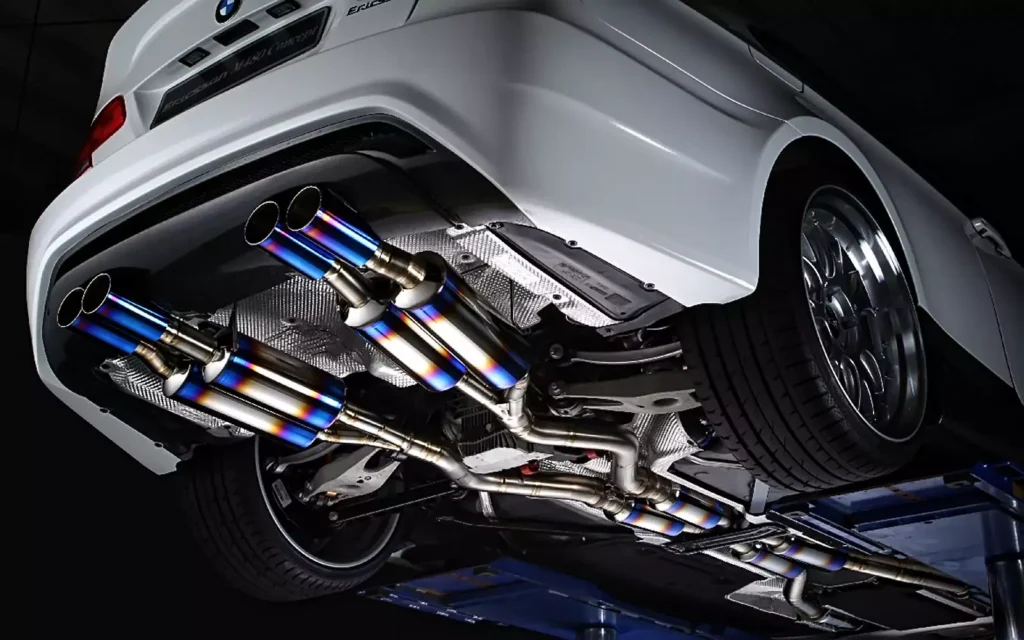
There are a number of advantages to improving your car’s exhaust system, such as improved sound performance, increased engine efficiency, and a more thrilling driving experience. By lowering exhaust flow limitations, a properly constructed system can help the engine evacuate gases more effectively. This might boost torque, horsepower, and throttle response, contingent upon your car and configuration. In addition to being considerably lighter than some factory systems, performance exhausts can make your automobile look more aggressive. Choosing the right Performance Exhaust Systems will make sure your car and driving needs are met. Correct installation ensures maximum benefits and maintains consistent results and emissions compliance.
Increased engine performance and power.
It may be more difficult for gases to escape the engine rapidly after burning if they have to pass through parts installed by the factory. When the airflow is restricted, the engine pumps harder to generate the same power as it does when the airflow is free, and it will take a longer time to respond.
The decrease in back pressure allows the engine to work better, which results in more horsepower and torque. Many people realise that their vehicle feels more responsive, accelerates more quickly when they press on the gas and provides excellent power for all driving conditions. These are some of the improvements that people get to see, although they may vary from car to car and upgrade to upgrade.
A boost in power and torque.
A performance exhaust system can help to increase horsepower and torque if it is properly fitted, by eliminating unwanted restrictions from exhaust flow. These may be evident in performance-focused vehicles or modified engines in cars.
Horsepower indicates the capacity of an engine to perform work over time, and torque refers to an engine’s pulling power during rotation. If the new system is designed to meet the exact requirements of the engine, an exhaust upgrade can help enhance these qualities.
It’s important to remember that having a bigger exhaust pipe doesn’t mean it will definitely give you more power. Too large a pipe or a pipe that is not properly designed can cause the exhaust gas speed to be too slow and can have a negative effect on the engine’s performance at lower speeds. If you’re looking for real gains, it’s essential to choose a system designed specifically for your vehicle.
The exhaust note is Sportier and More Aggressive.
For many car enthusiasts, the sound of a vehicle is a crucial component of the joy of driving. Aftermarket exhausts can modify the sound of your engine—either making it quieter or more aggressive. The acoustic effect of the exhaust parts varies. Mufflers are designed to reduce engine noise, for example, and resonators to control specific notes, for instance. If these parts can be replaced with other higher-performing pieces, then the exhaust sound will be more distinct.
Before upgrading, consider comfort, local regulations on noise, and remember that the exhaust may create a high noise level on motorways. The ideal exhaust system should have the correct sound without disturbing or being too loud.
Decreased Car Weight
Upgrading your exhaust system may also help you lose weight. Certain components of some aftermarket systems are lighter than those of the original equipment thanks to the use of lightweight materials like titanium and stainless steel.
While the impact is dependent upon the amount of weight removed from the vehicle and where it is located, a lighter vehicle can improve handling, braking and acceleration. Although the upgrade may be inconsequential for the standard car, it could prove to be helpful when combined with other judiciously selected enhancements.
Improved Throttle Response
Throttle response is how fast an engine reacts when the driver steps on the gas pedal. A good exhaust system upgrade can help some cars perform better by lowering too much resistance in the exhaust and allowing the engine to work more smoothly.
The advantages mainly rely on the kind of engine and the whole exhaust setup. For example, turbocharged cars might act differently when you change the exhaust system compared to cars with naturally aspirated engines.
In some situations, upgrading the exhaust system works best when the engine is properly tuned. However, not all exhaust changes need a tune, and you should always follow the manufacturer’s guidelines.
Final words
Upgrading your car’s exhaust system can bring several benefits, like better exhaust flow, possible improvements in performance, a more sporty sound, lighter weight, and more options for customisation. Depending on the car and the system you choose, it might also help make the throttle respond better or make the engine work more efficiently. However, results can be different, and spending a lot on a new exhaust system doesn’t always mean your car will perform better or use less fuel.