Scrapper might seem like one of Cyberpunk’s worthwhile crafting perks, but it absolutely is not worth it in the long run. Scrapper does exactly what the description says: disassembles all items labeled as “Junk” automatically upon being picked
The Nazare is one of the coolest, though also one of the most expensive motorcycles found in Night City. With a price of $138,000 before the 2.0 update, the Nazare also comes with the requirement that players be at least Street Cred level 27 before purchasing it. The price was slashed virtually in half with the 2.0 release, at le
Gamers can say what they want about Cyberpunk 2077 , and most of it is probably justified, but there’s no denying just how dense the customization gets when it comes to suiting and booting the playable charact
I don’t like the game – even without the questionable content, I thought most of the world was pretty uninspiring, Us Cracks were the only characters vaguely off the beaten path that I enjoyed, and rebelling against what the game wanted from me by using it as a fashion simulator (or speaking to the people making it into a fashion magazine ) was the most fun I had. But still, it’s a blockbuster release, and I take no pleasure in seeing the people who like it – even the people who supported it at its most toxic – getting screwed over like this. I’m not winning because they’re losing. Nobody is winning except the people making money, and that’s what got Cyberpunk 2077 into this mess in the first pl
Players can spend that time more efficiently by crafting Epic items with Uncommon Components, then breaking down that crafted item into Epic Components — yes, crafting currently works like that. The crafting system is a bit broken and unbalanced at this time. Until that’s fixed, Tune-Up up isn’t as worthwhile as the devs probably inten
‘Anti-consumer’ is a phrase used a lot in gaming, and not always accurately. It’s not anti-consumer that Nintendo doesn’t support Smash Melee tournaments, for example, and while locking story content behind DLC is awfully money grubbing, I’m not sure it’s technically ‘anti-consumer’. Cyberpunk 2077 on PS4 undoubtedly is, however. It’s a PS4 game being sold on PS4 while the PS4 makers tell you not to play it on the PS4. I know we’re all bored of talking about Cyberpunk 2077 by now, but this seems to be sneaking under the radar. It’s disgraceful that our industry allows it, and it’s a worrying sign of the growing divide between the players and the suits out to make a quick b
Updated November 30, 2023 by Erik Petrovich : The 2.0 update for Cyberpunk 2077 changed the game significantly , and was practically a ground-up revamp of the game’s progression and RPG systems. Among the many changes are price changes for the most expensive Cyberpunk 2077 Phantom Liberty Guide|Https://Cyberpunk2077Pedia.Com/ 2077 items, which players will find are much more affordable than at launch. For example, the Trajectory Analysis crafting spec used to set players back a whopping $500,000, but now costs a mere $5000. This guide to the most expensive items in Cyberpunk 2077 has been updated to show the old price for each weapon or car, as well as the newly updated prices for each. Though still expensive, the historical prices of these items were exorbitantly higher. Check through this list for details regarding requirements, price, and source for each item, as well as a comparison of each item’s past high prices and current co
Being a direct sequel to James Cameron’s Aliens and skilfully ignoring the terrible sequels that came after, Alien: Colonial Marines was shaping up to be one of the greatest horror shooters in the ge
One look at Cyberpunk 2077 on PS4 and you can see why. It’s locked at 30fps, but the world is also completely empty. The NPCs and cars in the game at launch were fairly dull and predictable, disappearing or resetting as soon as you turned away and looked back, but the PS4 version seems to have removed all but the most essential ones entirely. It’s a ghost town, and regardless of my own thoughts on Cyberpunk 2077’s quality or themes, it’s clear that this is a shadow of the game it once was. Not even a shadow of its looming potential – the game seems to work on a basic ‘does not crash’ level, but aside from that it’s demonstrably worse than it was at launch. I’d love to hear an explanation for why it was finally deemed okay to sell now, when the game is so obviously not ready that it’s being sold with a warning that it’s not actually going to work on the console it is currently being sold for. The conspiracy theory that Sony is pissed CDPR left it carrying the can for refunds doesn’t ring true for me – if that was the case, I doubt it would be back on the store
There is absolutely no doubt that CD Projekt Red was clearly influenced by many different Keanu Reeves projects. The character’s name is likely based on Johnny Utah from Point Break , and the character looks like if John Wick smoked way too many cigaret
10 of The Funniest Cyberpunk 2077 PS4 Memes

Viewing recommendation: For the clearest introduction to the main character arcs and three major reveals, watch S1E01 → S1E04 → S1E07 in release order. The key episode stats are S1E01 at 48 minutes (2023-10-10), S1E04 at 52 minutes (2023-10-31), and S1E07 at 55 minutes (2023-11-21). If available, choose the director’s cut of S1E07, because it adds 6 minutes of character-focused material and makes the antagonist’s motivations clearer.
indie series, view indie serials, top indie series, indie series network, independent series catalog, how to find independent series, full independent serials guide, independent filmmakers content, serialized independent content, avant-garde series viewing highlights: S1E04 reaches its choreography peak at 23:40; according to fight choreographer Jane Smith, the sequence required 28 rehearsals across five weeks. At 34:12, S1E07 lands a major revelation using three practical-effect shots in a single take. S2E02 introduces secondary commander at 12:07; actor Michael Young earned a Best Supporting nod at 2024 Fenwick Awards. Writer credits: A. Reyes (S1E01, S1E04), L. Park (S1E07, S2E02).
For optimal viewing set audio to 5.1 surround and enable English subtitles for archaic dialogue. If your connection can handle it, use 1080p HDR to see practical effects more clearly. Sensitive viewers should note prolonged combat and brief gore at timestamps 23:40 and 34:12 and consider skipping those sections. For scene-by-scene analysis, viewers can use episode transcripts and director’s commentary included in the bonus content.
Best Episode Breakdown Guide
Begin with Installment 1 for core premise and character introductions: runtime 52 minutes; release 2023-05-12; writer Anna Price; director Marcus Lee. Key beats with timestamps: coronation scene 00:12:45, sword-forging montage 00:27:10, betrayal reveal 00:44:05. Recommended viewing tip: pause at 00:27:10 to catch leitmotif changes and costume details that foreshadow alliance shifts.
Installment 5 – The Midpoint Pivot: 49-minute runtime; released 2023-06-09; guest director L. Morales. The critical sequence markers are Riverfall ambush 00:15:30, Aldric’s oath 00:33:20, and the cliffhanger duel 00:48:50. Rewatch tip: compare Aldric’s posture in 00:33:20 with his stance in Installment 2 for arc evidence.
Episode 9 – Political Shift: this 54-minute episode released on 2023-07-21 and was written by Price and H. Singh. Three major reveals land here: the succession claim, the treaty betrayal, and secret correspondence decoded at 00:39:10. The key performance stats are 8.4/10 on a popular user index and 92% on Rotten Tomatoes for this entry. For strongest narrative momentum, place this episode directly after Installment 8.
Watch Installments 3 & 4 together: episode lengths are 47 and 46 minutes, with release dates 2023-05-26 and 2023-06-02. These two entries function as flashback sequence for Clarissa’s backstory; timestamps of interest: childhood oath 00:04:55 (Inst. 3), mentor confrontation 00:28:40 (Inst. 4). Suggestion: watch with subtitles on to catch micro-dialogue that contradicts later testimony.
Action scene guide and rewatch markers: watch Installment 2 first for choreography study with the duel at 00:21:05, and Installment 7 for siege tactics with the ballista reveal at 00:31:00. These timestamps work especially well for clip breakdowns, fan edits, and scene-by-scene analysis.
Detailed Breakdown of Episode 1
Best rewatch windows are 00:02:15–00:04:10 and 00:21:40–00:24:05, since they establish character direction and a tonal shift that matters later.
- Runtime: 48:12
- Written by: A. Morgan
- Episode director: S. Hale
- First air date: 2025-09-12
- Key characters introduced: Rowan K., Lady Elen, Captain Maer
00:00:00–00:02:14 – Opening scene
- Visual design: a wide aerial shot with a cool palette, while the long lens creates compressed depth.
- Audio note: a low brass motif first appears at 00:00:32 and returns as a leitmotif tied to oncoming conflict.
- Recommendation: watch for small set detail at 00:01:10 (weathered sigil on banner) that reappears in scene 5.
00:02:15–00:04:10 – Inciting scene
- Main beat: the first direct confrontation between Rowan K. and Lady Elen establishes contrasting moral frameworks.
- Acting detail: the micro-expression at 00:03:05 suggests a hidden motive, reinforced by close-up framing.
- Thematic tip: “I never break oath” later conflicts with the action at 00:39:50, which makes this line valuable for analysis.
00:04:11–00:15:20 – Political tension build
- Important detail: the council meeting arrangement visually suggests shifting alliances through seating and costuming.
- Costume detail: red trim on Maer’s mantle (00:06:02) signals military loyalty; note stitch pattern repeated at 00:42:18.
- Score note: the percussive rhythm intensifies at 00:12:30 to accelerate the argument, then cuts off at 00:13:01 to mark a concession.
00:15:21–00:24:00 – Combat training sequence
- Choreography: two-shot sparring uses mirror edits to contrast mentor styles.
- Cinematography note: handheld framing at 00:18:45 adds intimacy, then a dolly at 00:20:10 improves clarity for the key pass.
- Best rewatch tip: freeze the frame at 00:19:30 to examine prop placement that connects to a clue at 00:33:05.
00:24:01–00:33:15 – Informant sequence
- Plot reveal: a coded note arrives at 00:27:12, and its contents connect to the hidden map at 00:45:00.
- Audio cue: louder footsteps at 00:26:40 imply surveillance; isolate the whisper by cutting ambient noise.
- The editing uses jump cuts to compress time, making eye-line direction useful for spotting truth cues.
00:33:16–00:42:00 – Betrayal lead-in
- A small line at 00:35:50 foreshadows the alliance shift that arrives at the season midpoint.
- At 00:38:05, Captain Maer shows a slight hand tremor that indicates inner conflict.
- From 00:40:10 onward, the lighting becomes warmer, helping suggest moral ambiguity.
00:42:01–00:48:12 – Final climax and tag scene
- At 00:45:30, the ambush climax is timed to timpani hits, and the choreography is designed to feel chaotic rather than precise.
- Ending tag: the shot locks on Rowan K.’s expression at 00:47:55, which works as an effective hook for the following episode.
- A continuity issue appears at 00:46:20, where scar placement briefly mismatches; use frame-by-frame playback if researching continuity.
- For rewatch analysis, focus on the costume insignia (00:01:10, 00:06:02, 00:42:18), the recurring musical motif (00:00:32, 00:12:30, 00:45:30), and the map fragments (00:27:12, 00:45:00).
- Pay attention to the shot-reverse-shot rhythm in conflict scenes, while the negative space in solitary moments helps communicate isolation.
- One technical caveat is a small color-grade change around 00:15:00 between interior and exterior shots, which can affect continuity in transfers.
For deeper analysis, build a set of time-stamped screenshots for costume and prop continuity and compare them against later installments for motif repetition and narrative payoff.
Key Plot Points in Episode 2
Recommend replaying 00:12:30–00:18:45 for Lancelot’s decision scene and ensuing duel; focus on facial microexpressions and sword timing.
First major beat: council meeting at Blackford Keep (00:04:05). Sir Aldric presents forged treaty evidence while Lady Mira contests authenticity, triggering vote split 3–2 and exile decree for Aldric.
Riverford at 00:20:10 is the ambush sequence that confirms a traitor inside the royal guard, leaving 5 guards and 1 scout dead. Key identification clue: a red thread appears on the armband at 00:20:18 for about 2 seconds; compare it with the shot at 00:09:42 showing the same dye stain.
At 00:27:55, the key artifact is revealed—an obsidian mirror under the altar that pulses in time with the protagonist’s breath. Recommended: capture frame-by-frame 00:27:54–00:27:58 to spot runic etching on mirror rim.
Political shift: Baron Kellan negotiates secret pact with coastal warlord; audio clue at 00:33:30 contains phrase “night trade” masked under ambient tide noise – enhance audio between 0.8–1.2 kHz to isolate phrase.
A key character-arc moment comes when the protagonist spares Aldric despite provocation, setting up later moral conflict; look closely at 00:18:10 for the finger tremor that hints at suppressed rage.
A notable continuity flag is the shift of Captain Roldan’s scar from left cheek to right between 00:05:50 and 00:05:58, which may interest continuity watchers and fan theorists.
Story beat Key timestamp Immediate consequence What to focus on Lancelot’s duel sequence 00:12:30–00:18:45 Public fracture between crown and field commanders Study hand positions frame by frame and pay attention to dialogue cadence Council accusation 00:04:05 Exile for Aldric and sharper political polarization Read parchment prop details at 00:04:12 for forgery markers Ambush at Riverford 00:20:10 Loss of scouts; internal betrayal confirmed Freeze at 00:20:18 to track armband thread Obsidian mirror reveal 00:27:55 The mystical element is introduced and tied directly to the protagonist Use 00:27:54–00:27:58 to capture the runic etching and pulse sync Secret pact clue 00:33:30 A new offscreen alliance is formed Boost the 0.8–1.2 kHz range to isolate the hidden phrase Knights of Guinevere Q&A:
Which episode is the best entry point for new viewers of “Knights of Guinevere”?
The best web series single starting episode is the pilot, which is Season 1, Episode 1. It sets up the main conflict, brings in the central cast, and establishes the tone of the series. If you prefer a later episode that still works as an introduction, try Season 1, Episode 4 — it contains a short recap and a mostly self-contained plot that clarifies relationships without spoiling later twists.
How do the main trio change in the first two seasons?
Arthur begins as an idealistic leader whose priorities shift after political setbacks in Episodes 3 and 8; those events harden his decision-making and force compromises. Guinevere’s arc changes after Episode 6, moving her from diplomacy into active strategic action following a personal loss. Lancelot develops from loyal knight into conflicted ally, with Episodes 5 and 11 testing his loyalty and Episode 13 setting up later atonement. The show ties personal growth to political fallout, meaning the character changes come from both internal choices and outside pressure.
Are there filler or standalone episodes I can skip without losing the main storyline?
Some episodes are lighter and more self-contained, focusing on village conflicts or tournament material rather than major plot advancement. Examples include Season 1, Episode 2 and Season 2, Episode 5, which are enjoyable but not required for the core arc. They are skippable in terms of plot comprehension, but they still add atmosphere, side relationships, and smaller world details that enrich later episodes. If you want to move quickly through the main story, focus on the episodes with political decisions, betrayals, and the major reveals mentioned above.
Which episodes stay closest to Arthurian legend and which use more original material?
This series blends familiar Arthurian themes with major original twists. Season 1, Episode 1 and Season 2, Episode 3 are among the closest to classic Arthurian legend, especially in how they treat the court, tournaments, and honor. Some of the most original material appears in Season 1, Episode 9 with its invented political faction, and in Season 2, Episode 8 with its reimagined core relationship. A useful comparison method is to pair a legend-faithful episode with a more inventive one back to back, which highlights what the writers preserved and what they changed.
Knights of Guinevere Episode Guide with Complete Breakdown of Key Moments and Themes

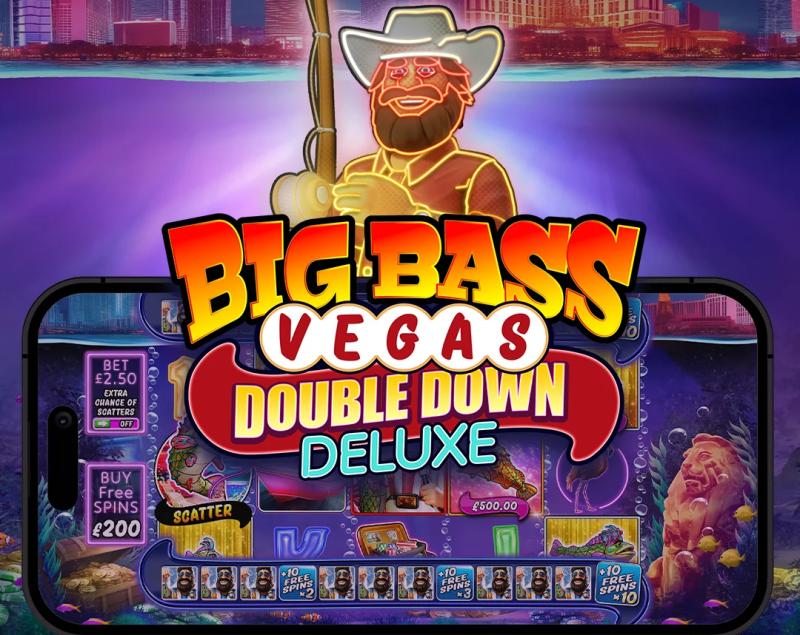
Throughout my professional journey in the iGaming sector, I have encountered countless promotional events, but few capture the excitement of the community quite like the Slototo Bet Big Bass Slots Tournament: Win Extra Prizes This Week. This specific event leverages the immense popularity of the Big Bass franchise by Pragmatic Play, a series that has undeniably redefined the fishing-themed slot genre. When I first examined the mechanics of this week’s tournament, it became apparent that Slototo is not merely offering a standard prize pool; they are fostering a competitive environment where strategic play is rewarded alongside pure luck.
The present-day appeal of this tournament lies in its approachability. Whether you are a high-stakes player or a newcomer, the Slototo Bet Big Bass Slots Tournament: Win Extra Prizes This Week provides a structured way to enhance the standard spinning experience. In the dense gambling market, operators must differentiate to keep players engaged, and by focusing on a beloved series like Big Bass, Slototo ensures high levels of participation. As I explored the platform’s interface, I noted that the integration of real-time leaderboards injects a layer of psychological excitement that static bonuses simply cannot match.
From a professional standpoint, these tournaments are essential for liquidity. By incentivizing play on specific titles, Slototo creates a thriving community hub. The attraction of winning Extra Prizes this week functions as a powerful catalyst for traffic. I discovered that the technology supporting this event is robust, ensuring that scores are updated with zero latency. This is crucial for players who are watching their position in the final hours of the competition. The Slototo Bet Big Bass Slots Tournament: Win Extra Prizes This Week is shaping up to be a benchmark for how modern slot contests should be executed.
Technical Details of the Slototo Big Bass Event
Delving into the technical architecture of the Slototo Bet Big Bass Slots Tournament: Win Extra Prizes This Week reveals a sophisticated scoring system. Most slot tournaments use one of three primary metrics: highest single win multiplier, total wagering volume, or highest win-to-bet ratio. In this current event at Slototo, I observed a multi-faceted approach that balances the playing field for different budget levels. This technical specification is what prevents whales from dominating the leaderboard, allowing average players a legitimate chance at the top prizes.
The eligible titles for this tournament include the entire Big Bass catalogue, such as Big Bass Bonanza, Big Bass Splash, and Big Bass Amazon Xtreme. Each of these games operates on a mathematically intense math model. For instance, Big Bass Splash features a Return to Player (RTP) of approximately 96.71%, which is generous for a tournament setting. My data review suggests that the tournament engine integrates directly with Pragmatic Play’s API, ensuring that every Fisherman wild symbol collected adds accurately to the player’s tournament standing.
A key specification I found is the real-time reward mechanism. The Extra Prizes are often divided into cash rewards, free spins with no wagering requirements, and even exclusive luxury items. The prize pool for the Slototo Bet Big Bass Slots Tournament: Win Extra Prizes This Week is transparently displayed, with a breakdown of exactly what the top 100 or 500 participants can expect. Furthermore, the minimum bet is typically set at a low threshold, such as €0.20 or €0.50, which opens up the competition for all levels of play.
Practical Tips for Playing the Big Bass Slots Contest
Participating in the Slototo Bet Big Bass Slots Tournament: Win Extra Prizes This Week is a straightforward process, yet there are methods I have identified that can significantly enhance your chances of success. First, one must head to the Promotions or Tournaments tab on the Slototo website and Opt-In. I have seen many players miss this step, resulting in played spins that do not contribute toward the leaderboard. Once opted in, your focus should be on consistency and understanding the specific rules of the day.
From my experience, the most effective way to ascend the rankings in a Big Bass tournament is to monitor your bankroll to allow for the maximum number of spins. Since many of these events reward the highest multiplier, your goal is to trigger the Free Spins round. In Big Bass Bonanza, the real scoring potential comes from the retrigger levels where the fisherman’s multiplier increases to 2x, 3x, and eventually 10x. I advise starting with smaller bets to survive the initial volatility and then scaling your stakes once you feel a hot streak or are approaching the tournament’s conclusion.
A useful strategy involves timing. I discovered that participation density fluctuates throughout the week. By playing during late-night windows, you can sometimes secure a position with less pressure, although the final hour of the Slototo Bet Big Bass Slots Tournament: Win Extra Prizes This Week is always the most volatile. Ensure your internet connection is stable, as a disconnection during a high-paying bonus round could potentially lose you a top spot on the leaderboard. Tracking the Extra Prizes tab will also keep you informed about any surprise Flash Drops that might occur during the event.
Advantages and Disadvantages of the Tournament
Every tournament has its strengths and weaknesses. The primary benefit of the Slototo Bet Big Bass Slots Tournament: Win Extra Prizes This Week is the increased potential it provides to every spin. Normally, a losing spin is simply a loss; however, within a tournament framework, even a non-paying spin can sometimes work toward a total spins or total wagered leaderboard. I found the clarity of Slototo’s leaderboard to be a major strength, as it updates every few seconds, providing that real-time data that modern players desire.
However, there are disadvantages to consider. The variance of the Big Bass series can be taxing on a limited bankroll. I have observed players hunting leaderboard positions and overextending their financial limits, which is a serious risk. Furthermore, the competitive nature of the Win Extra Prizes This Week promo means that a player could be bumped from a prize-paying position in the final seconds of the event, leading to frustration. It is vital to play within your means and treat the tournament as recreation rather than a guaranteed source of income.
Another point of analysis is the title variety. While the Big Bass series is top-tier, some players might find the limited scope repetitive if they prefer more diverse slot themes. Additionally, the Extra Prizes sometimes come with wagering requirements that need to be strictly followed. For instance, if the extra prize is a bonus, it might need to be played through 5x or 10x before a withdrawal can be requested. Despite these challenges, the overall balance of the Slototo event remains highly attractive compared to industry averages.
Summary and Final Thoughts on the Big Bass Slots Promo
In summary, the Slototo Bet Big Bass Slots Tournament: Win Extra Prizes This Week is a top-class example of how to execute a thematic slot competition. By collaborating with Pragmatic Play’s most successful franchise, Slototo has guaranteed a high level of player interest. My professional assessment is that this tournament offers a worthwhile reason to choose Slototo over other platforms this week. The synergy of high-quality gameplay and the allure of additional rewards creates a dynamic user experience.
In comparison with other market alternatives, Slototo’s method feels more fair. Many casinos mask their tournament rankings or use complex point systems that baffle the average user. Slototo, alternatively, keeps it intuitive. I give this event a high rating for its delivery and the scale of the Extra Prizes. It is a prime opportunity for fans of the Book of… or Big Bass mechanics to prove their luck in a competitive arena.
Final thoughts: If you enjoy the thrill of the Big Bass catch and want to optimize your gaming sessions, the Slototo Bet Big Bass Slots Tournament: Win Extra Prizes This Week is unmissable. Just remember to play safely and enjoy the camaraderie that comes with leaderboard play. Slototo has effectively captured the essence of what makes slot tournaments thrilling, making it a top choice for the current week.
Common Queries Regarding the Extra Prizes Competition
1. How do I register for the Slototo Bet Big Bass Slots Tournament: Win Extra Prizes This Week?
To join, you must first have a active account at Slototo. Once logged in, visit the tournaments section, locate the Big Bass event, and click the Opt-In button. After this, any qualifying spins on the featured Big Bass slots will automatically earn you points toward the leaderboard.
2. What are the Extra Prizes mentioned in the tournament?
The prize pool typically features a mix of wager-free cash, bonus credits, and high-value free spins. During specific events, Slototo may also add physical prizes like tech items or special gifts for the top-ranking players.
3. Is there a minimum bet required to qualify for the tournament?
Yes, there is usually a entry requirement, which is often set at €0.20 or £0.50 per spin. Always check the official rules for the Slototo Bet Big Bass Slots Tournament: Win Extra Prizes This Week, as these specifications can change depending on the intensity of the competition.
4. Can I participate in the Big Bass event via the Slototo app?
Definitely. Slototo is completely compatible for mobile browsers. You can play and track your progress on any tablet device, ensuring you don’t fall behind while you are traveling.
5. How do I earn a high spot on the leaderboard?
The scoring for the Slototo Bet Big Bass Slots Tournament: Win Extra Prizes This Week usually focuses on the best win-to-bet ratio. This means that if you bet €1 and win €500, your score is 500. This system ensures that players with modest bankrolls have an equal chance against those playing with higher stakes.
6. When are the winners announced and prizes distributed?
Winners are typically shortly after the tournament finishes. Cash prizes are often credited to the player’s account within one to three business days. If you win an Extra Prize that is non-monetary, a account manager will get in touch via private message to confirm details.
Get Started with Slototo Bet Big Bass Slots Tournament
The Outer Worlds is a quirky game made by Obsidian with a lot of comedy. Under the jokes and sharp dialogue, though, is a sad world on the brink of falling apart. As the “hero” of the story, you must choose how you want to deal with the dark problems plaguing the galaxy you now call home.
Power in Night City doesn’t come from pure strength alone, even though it helps. No, what makes more of a difference is influence, and being a mayor of Night City would certainly mean something. However, despite all the love and support that Jefferson Peralez has, this doesn’t stop him from becoming a pawn in a larger g
Cyberpunk 2077 is a game that, despite its iconic film and TV show influences , immersive world-building, the inclusion of Keanu Reeves, is often plagued by negative perceptions and derisive criticisms . The major reason behind such criticisms stems from the fact that the game often suffers from glitches and bugs that often border on game-break
Renowned video game creator **Hideo Kojima ** has a level of name recognition not too common in game development. Most games are thought of as creations of the studio that worked on them, but more often than not, titles like Metal Gear Solid and Death Stranding are distinctly products of Kojima – though certainly also products of his talented teams. He tends to hold a similar stature as a film director, which correlates to Kojima’s ambition of creating movies at his studio, and also translates into a tendency to appear in his own works in cameo ro
With it’s ability to completely remove a dimension of the game, Lockdown was a problematic ability. While it could serve as meta control like we saw against Viy after the 8.0 patch, it could also be abused more widely like in the previous meta, and would easily oppress off-meta fun decks, something players have complained about since way before it became a meta p
Kojima makes an appearance in a game just as surreal as some of his own, Control . His likeness is not present, but Kojima voices the Japanese lines for Dr. Yoshimi Tokui, a researcher in the Bureau of Control’s Oldest House. Kojima’s Dr. Tokui narrates the player through a ” guided imagery experience ” with the help of a translator who, according to Polygon , is voiced by Kojima Productions’ head of marketing, Aki Saito. The worthwhile and odd Control side quest gives players a lesson in love and environmentalism, all with a dash of grim humor about pige
That said, a modified version of the Nazare can be acquired for free. V will earn the Nazare “Itsumade” after completing the mission “The Highwaymen,” which will be found in a garage in Northside, Watson. If players want the base version, however, they’ll have to pay full pr
Though intel operative Hideo has a more substantial role in Ground Zeroes , he can also be recruited to the Militaires Sans Frontières mercenary group in Peace Walker . During one of the game’s main missions to infiltrate Crater Base, a truck can be found with the license plate number 63824. Interacting with the truck will recruit Kojima to staff Mother Base. The plate number is a reference to Kojima’s birthday, August 24, 1
Kojima seems to have a prolific career as an intel operative, because he makes a third appearance in the final Metal Gear Solid , The Phantom Pain . If he was saved in the prologue/demo, Ground Zeroes , he will automatically be recruited to the Diamond Dogs when the capability becomes available. If not, Kojima must be rescued from the field, where the cutscene plays out in much the same
The remake of the first MGS for the GameCube, Metal Gear Solid: The Twin Snakes , has an additional Kojima cameo during the Psycho Mantis fight. A portrait of Kojima is hanging on a wall in the room where the boss fight occurs, along with two other portraits of developers who worked on the game – Ryuhei Kitamura and Denis Dyack, according to VGFac
Ursine ritual provision was a bit of an anomaly players ended up catching up hop over to these guys, making the it in overwhelming majority “The” Skellige leader ability, despite others also showing good results. If it’s only a +1 in a vaccuum, Skellige has the tool to make pinging its own units be at the very least worth 0 points if not more. With this nerf, we hope to see diversity come back to the Skellige leader ability pi
CD Projekt Red was able to do something that many developers wish to achieve: make a card game within their game that’s fun enough for people to invest hundreds of hours into. From the Witcher games, Gwent was born and is one of the biggest deck-building virtual card games out there. Today, March 8, Gwent received its 8.3 update . Here’s the full list of Gwent patch no
Kojima lends his likeness to a cameo in Cyberpunk 2077 , where he can be found relatively early in the game, sitting in the back of a bar in Konpeki Plaza. Though he looks like, and is voiced by, Kojima, this man is actually named Oshima, a canonical citizen of Night City. Oshima is more or less a cyberpunk parody of Kojima himself. As a director of braindances, a kind of virtual reality entertainment in Cyberpunk that record and then immerse the viewer in real events, Oshima wishes to take braindances to their limit and explore the furthest reaches of emotion that can be experien
Gwent 8.3 Patch Notes – What You Need to Know from the March 8 Update
Start with release order on Glitch’s official YouTube channel: activate English subtitles, stream in 1080p or 1440p when possible, and Creator platform, Fan community, sci-fi wear headphones to catch the full layered audio design. Each short is about 6–12 minutes long, so it helps to watch in blocks of 2–4 installments (15–45 minutes) to maintain momentum without burnout.
For newcomers, watch independent series the first three installments back-to-back to absorb character introductions and core rules of the setting; follow with single-entry sessions for later plot reveals so emotional beats land. Pay attention to recurring motifs (dark humor, escalating conflict, and character inversion) and timestamps where tone shifts–these are common points for discussion or rewatch notes.
Content warning: graphic imagery, direct violence, and moral ambiguity appear often; if you are sensitive to that material, try one short first and review community timestamped spoilers before continuing. If you are researching or critiquing the popular indie series, slow playback to 0.75x for framing study or use frame-step to inspect cuts and visual effects, and save timecodes for the intro confrontation, midpoint reversal, and closing hook.
Useful tips: watch through the official playlist to keep the chronological context, review video descriptions for creator commentary and credits, and sort comments by newest for follow-up updates. If you plan a marathon, set breaks every 45 minutes and keep episode titles handy for cross-referencing favorite moments during discussions or reviews.
Episode Guide, Breakdown, and Analysis
Recommendation: watch entries in release order; prioritize Installment 3 and Installment 6 for major plot shifts, pause and replay final 90 seconds of Installment 4 for layered visual callbacks.
Installment 1 – Pilot
- Main plot beats: inciting incident, first confrontation between the rogue worker and hunter unit, and a final reveal that reframes the antagonist’s goal.
- Visual style: cold opening palette, sudden warm shift during the reveal, and rapid cuts in the chase sequence to create urgency.
- The audio introduces a two-note motif at the reveal, and that motif later becomes associated with moral ambiguity.
- Best rewatch advice: use the final minute to trace how early foreshadowing feeds into later character choices.
Installment Two
- Main beats: an escape attempt, internal moral conflict inside the hunter unit, and the first major loss that raises the stakes.
- Character development: the hunter unit displays vulnerability in the midpoint hesitation scene, hinting at a possible defection arc.
- The episode raises its close-up usage and intensifies sound-design detail during interpersonal moments.
- Note the recurring props in the background, since they come back in Installment 5.
Third installment
- Story beats: pivotal plot shift, alliance under duress, and mission objective clarification.
- Central theme: identity and programmed loyalty are examined through mirrored lead dialogue.
- Stylistic choice: extended single-take sequence around midpoint amplifies tension and reveals choreography of combat.
- Recommendation: pause during single-take to study blocking and continuity; this sequence foreshadows choreography used in finale.
Installment 4
- Main plot beats: infiltration, betrayal, and a sudden tonal shift in the last act.
- Visual motif note: broken clock imagery recurs in three separate shots, each linked to a lie or confession.
- The episode debuts an ambient synth layer that later functions as the audio cue for memory-trigger scenes.
- Recommended analysis method: replay the final 90 seconds frame-by-frame to identify callbacks and buried dialogue cues.
Installment Five
- Plot beats: fallout from betrayal; rescue attempt; reveal of larger corporate objective.
- Character note: the supporting cast receives clearer motive exposition through short flashback segments.
- Visual grade note: desaturated midtones become more dominant here to signal moral ambiguity.
- Rewatch recommendation: note the flashback start times so you can compare them with later confession scenes, where the motifs recur with small variations.
Episode 6 (mid/season finale)
- Key developments: confrontation climax, big status quo change, and new threads opening for the next arc.
- Music and editing note: the score swells through the resolution and then falls to near silence for the final beat, creating an emotional rupture.
- Payoff note: earlier lines seeded in Installment 1 and Installment 3 finally resolve into motive confirmation.
- Rewatch tip: compare the opening seconds with the final shot to see the structural symmetry the creators built into the episode.
Common signals to track across entries:
- Recurring prop placement that signals upcoming betrayals; note location and color each time it appears.
- Track the musical leitmotifs linked to moral choices and map their appearances on a timeline for character correlation.
- Color-palette shifts matter at major beats, so log the first shift and monitor how it develops across later installments.
- Dialogue echoes matter too: short repeated lines often shift from innocent meaning to loaded meaning, so tag them while watching.
Viewing strategy suggestions:
- First pass: watch straight through for emotional arc and pacing sense.
- Second pass: use timestamp notes to isolate callbacks and motifs, and focus on audio layers and visual composition.
- Use the third viewing to compile short evidence files for each major character arc, based on dialogue, visuals, and score cues.
Treat this breakdown as a checklist for motif study, character-arc analysis, and craft technique review across installments; use timestamps, frame grabs, and audio isolation to support your interpretation.
Important Plot Turns in Season 1
A useful rewatch is the scrapyard confrontation in Installment 4, where the red wiring on the hunter chassis appears; that detail repeats in a factory flashback in Installment 7 and links to the prototype’s manufacturing origin.
Three major narrative shifts define this season: (1) the arrival of hostile autonomous units forces the worker settlement to abandon passive survival and adopt offensive tactics; (2) a central reveal exposes corporate-sanctioned memory wipes used to control labor, prompting a high-profile defection from within security ranks; (3) a mid-season sabotage collapses the factory’s assembly line, changing production priorities from quantity to targeted retrieval.
The primary arcs are the lead worker becoming a tactical leader after learning hidden operational truths, the main hunter separating from original directives and developing empathy that fuels an unstable alliance, and the veteran mechanic’s sacrifice to reboot the reactor, which creates a power vacuum used by a charismatic lieutenant.
Major worldbuilding reveals include flashback logs at 03:12–03:45 confirming an experimental program that grafted human neural patterns onto machine cores; the setting also expands from one junkyard to a sealed factory core, an orbital dispatch platform, and an abandoned research wing whose archived audio contradicts official names and dates.
Season finale mechanics and unresolved threads: the finale centers on a forced firmware upload that hijacks a regional transmitter, an escape through the orbital launch bay, and a final transmission that contains partial coordinates and a personal message addressed to the lead worker. Remaining questions for next season include the true sponsor behind the prototype program and the fate of the corrupted transmitter payload.
Character Development and Arc Evolution
Rewatch three anchor scenes per major character–origin trigger, mid-season pivot, finale fallout–and log dialogue callbacks, framing choices, and costume shifts for each anchor.
For a quantitative arc file, use VLC frame-step to capture still images, Aegisub to export subtitle timestamps, and any NLE to grab color histograms. Track screen time, repeated-line count, close-up frequency, and motif presence for each anchor. This turns character analysis into something measurable rather than purely subjective.
Character arc Visible markers Rewatch anchors What to measure Rebel lead character Scuffed costume upgrades, increased close-ups, rise in first-person lines, recurring prop obsession. Early opener; Mid pivot; Finale confrontation. Measure recurring verbal refrains, compare choice-driven versus reaction-driven screen time, and snapshot palette change per anchor. Hunter-turned-conflicted enforcer Stiff body language → micro-expressions, soundtrack softening, fewer kill shots, dialogue hesitations. The best anchors are first mission, betrayal scene, and aftermath sequence. Measure hesitation pauses in seconds during key lines, compare close-up ratio before and after the pivot, and note camera-height shifts. Sidekick/worker (comic relief → agency) Markers include fewer jokes, more lines tied to decision-making, props handled directly, and posture changes in defense scenes. Use comic beat, crisis choice, and solo-action beat as the arc anchors. Count decision verbs at each anchor and compare independent actions to moments of following orders. Authority figure arc (leadership to compromise) Markers include loss of costume regalia, contrast between public and private speech, visible fatigue, and changes in delegation habits. Rewatch the public address, private counsel, and final stance. Measure speech length and pronoun patterns, then map delegation behavior by tracking who acts on orders across anchors. A useful next step is turning the arc file into a chart: give each anchor a 0–10 score for agency, empathy, aggression, and autonomy, then graph the values to reveal inflection points. Compare those shifts with palette changes and soundtrack motifs to test whether they are narrative or mostly tonal.
Why Visual Style Matters in Storytelling
Define a separate visual language for every major entity using a color palette, focal-length profile, and motion cadence, and apply the combination consistently so viewers read allegiance, mood, and narrative beats without extra exposition.
Color strategy (practical):
- Use #1F2937 for hostility/urgency with accent #FF6B6B, then apply +6 contrast and -8 warmth in the grade.
- Sanctuary/intimacy: #F6E7C1 (warm cream), accent #7D5A50. Soft shadows, +4 saturation.
- Melancholy and quiet scenes: #2B3A42 muted teal with #A3B5C7 accent; lower midtones by -0.06 EV.
- Use #E6F0FF and #8AA7FF for artificial/clinical scenes, with highlights at +8 and a subtle cyan lift.
- Transition rule: change saturation by about ±15% and temperature by ±10 units across 2–4 shots to signal tone shifts without damaging continuity.
Practical camera language:
- Assign primary lens equivalents per character: protagonist 50mm (intimate), antagonist 35mm (slightly distorted), machine/observer 85mm (detached).
- For composition, use rule-of-thirds on relationship beats, switch to centered framing and negative space for isolation, and save extreme wide shots for world context only.
- Use 50mm at f/2.8 for emotional close-ups and f/5.6–f/8 when staging groups so all faces stay readable.
- Camera motion profiles: steady 0.6–1.0s ease-in/out for empathy moments; quick 6–12 frame whip pans for surprise or reveal.
Pacing benchmarks for editors:
- Average shot length targets are 1.2–2.0 seconds for action, 3–6 seconds for confrontation or dialogue, and 7–12 seconds for reflective beats.
- Use 24 fps as baseline. For mechanical motion, step on twos (12 fps) selectively to produce staccato movement; restore full 24 fps for biological fluidity.
- A practical edit rule is to use J-cuts and L-cuts for 30–40% of transitions to maintain continuity and emotional flow.
Lighting and shading benchmarks:
- Use 8:1 contrast for low-key scenes to emphasize silhouettes, and 3:1 for mid-key scenes to keep midtones readable.
- Rim light note: apply 10–15% rim intensity to antagonists to separate them from the background and strengthen the threat read.
- Use cel-shaded 3D with 1.5–3 px edge width at 1080p, AO intensity from 0.55 to 0.75, and two-tone ramp shading to keep forms readable.
Visual motif placement and foreshadowing:
- Introduce motif (color/object) within first 45 seconds of an arc; repeat in key frames at ~25%, ~50%, ~85% of the arc to build recognition.
- Use silhouette repetition: silhouette A appears as background before its full reveal; maintain same rim angle and scale ratio to cue familiarity.
- Introduce small color accents tied to plot devices at 5% of frame area or less, then expand them by 2–3 times on payoff shots.
Audio-visual synchronization:
- For impact, sync percussion with cut points, but permit an 8–12 ms offset when the goal is a more human dialogue transition.
- Use sub-bass below 60 Hz in looming threat scenes, and reduce the 200–400 Hz range to prevent muddy dialogue.
- A strong reveal design is a rising harmonic pad that peaks 0.3–0.6 seconds before the actual visual reveal.
Practical checklist for creators:
- First, document the character-specific hex palette, primary lens, and motion cadence in a one-page visual bible.
- Second, test each palette on three key frames—intro, midpoint, payoff—to ensure it stays readable on mobile and HDR displays.
- Iterate: measure ASL per scene after rough cut and compare to target benchmarks; adjust cut rhythm before final grade.
- Export presets: keep two LUTs–one neutral working LUT and one stylized LUT tied to the arc’s dominant palette for consistency across episodes.
Use these rules consistently, because visual choices should carry narrative information and help viewers infer relationships and stakes without extra exposition.
FAQ for Watching and Analyzing Murder Drones:
How does Murder Drones organize its episodes and where can you watch them?
The show is made up of short-form episodes that follow a continuous plotline, with a pilot and subsequent entries released on the creators’ official YouTube channel. The episodes are generally under ten minutes long and are organized into seasons more by production grouping than by calendar-year release structure. The article groups episodes by release order and by plot arcs so readers can follow both the original upload sequence and the narrative progression.
Does this Murder Drones guide reveal major plot points?
Yes, spoilers are included, especially in sections that discuss key twists, character fates, and ending material. If you want to avoid major revelations, skip any passages labeled as spoilers and stick to the episode summaries that are tagged “spoiler-free.”
Which Murder Drones episodes are best for beginners?
The best starting point is the pilot plus the next two episodes, since they establish the main cast, the tone, and the rules of the setting. The opening episodes are especially useful because they focus on character motivations and the recurring conflicts that shape the rest of the series. Then keep going in release order, since later chapters depend heavily on what is established in the opening installments. The guide also lists a short “essential episodes” set for newcomers that highlights scenes you shouldn’t miss if you have limited time.
Are recurring visual and audio Easter eggs included in the guide?
Yes, there’s a dedicated section cataloging recurring motifs and background details to spot during rewatching. Examples include repeating prop designs, brief visual callbacks in crowd shots, and musical cues that return at key emotional beats. It also gives timestamps and episode references for each Easter egg, while recommending credits and studio art panels as confirmation sources.
Where can I find updates about future episodes or additional content from the creators?
The most reliable sources are the creators’ official channels, including the studio YouTube page, the official X/Twitter account, and any official Discord or community pages. A practical recommendation is to subscribe to those feeds and turn on notifications for uploads and development-related posts. Additional clues can come from creator interviews and behind-the-scenes posts, though the guide makes clear that only the studio itself confirms real release dates.
Murder Drones Episodes Complete Guide to Every Season and Key Moments
Suggestion: indie content, watch indie web series, popular independent series, indie web series platform, web series list, how to discover independent web series, complete indie serials guide, indie filmmakers content, serialized independent storytelling, avant-garde series episodes 1–3 in order, pausing after major reveals.
Document Uzi’s visibility, dialogue frequency, and repeated iconography — eye patterns and rusted instruments.
Note time markers for instances of alliance shifts or origin revelations.
Examine assassin unit N and supporting bots:
record spoken lines per segment, observe clothing color choices, diagram connections throughout early segments.
Capture three concise descriptors per key figure and add voice actor credit when available.
Leverage static frame captures to exhibit design changes over time.
When compiling a reference document, provide specific measurements:
installment presence per individual, screen time portion shown as percentage, significant spoken passages with timecodes, and sourcing from showrunner notes or visual guides.
Suggest an episode sequence for first-time viewers:
the opening episode, installment two, segment three, then a dedicated revisit highlighting relational development.
Design observation points: main contrasting shades, profile modifications, distinctive deterioration motifs.
Emotion tracking guide: instigators of tension, instances of reliance, intensification sequences; compare observations against vocal delivery and motion pacing per scene.
Main Protagonists
Highlight each central figure’s storyline progression, core incentives, and fighting technique when constructing review, costume work, or performance.
For a rebel-leaning protagonist:
copy assertive positioning, brisk disjointed speech patterns, and frequent knowing grins;
costume choices should favor torn utilitarian fabric, exposed wiring accents, and asymmetrical accessories;
props to carry: dented wrench, small LED chest module;
head styling: tousled short length with solitary tinted strand;
movement cues: low center of gravity with sudden speed bursts;
dialogue presentation: sardonic and rapid, interrupted by sudden tenderness in personal moments.
For a precise, responsibility-bound protagonist who progressively opens up:
use measured, minimal motion and reduced inactivity;
vocal guidance: monotone pitch with shortened consonants that soften during moments of compassion;
costume: polished flat panels, observable pivot components, restrained hues;
face/body design: light wear at movement junctions;
combat staging: measured attacks, leveraging surroundings for strategic benefit.
For authors and adaptation crews:
highlight contrasting motivations directly — one personality moved by endurance and wariness, another by programmed purpose and growing inquisitiveness;
build scenarios where dialogue evolves from caustic remarks to tender disclosure across two or three minute shifts;
bypass lengthy clarifying soliloquies;
demonstrate consequences through brief gestures and silences.
Technical recommendations for visual teams and cosplayers:
maintain outline definition during quick movement by amplifying head, shoulder, and body contours;
integrate scattered light-emitting diode effects with fluctuation sequences connected to emotional moments;
strengthen connection points with hidden cushioning for action security while maintaining flexibility;
document voice takes with various tiny modifications in inflection and breathing to catch nuanced changes.
Affiliation mapping:
score trust arcs on a three-point scale (0 mistrust; 5 intimate) and schedule turning points at episode landmarks;
keep conflict personal by anchoring emotional shifts to small gestures (shared tool, repaired circuit, saved ally) rather than long speeches;
employ tangible objects to denote advancement between sequences.
Screenplay approach:
open pivotal scenes with sensory detail–metallic tang, motor whine, distant siren–then expose motive through behavior;
allow visual moments and brief interactions to convey information while sustaining rhythm and suspense.
Identifying N
Treat N as an antihero:
merciless effectiveness combined with surprising sensitivity.
- Role: enigmatic enforcer with shifting loyalties; acts as catalyst for major conflicts.
- Design: smooth metal body, burned outer layer, one illuminated eye component, small build optimized for quick close combat.
- Abilities: superior combat evaluation, concealed approach, accelerated repair using molecular machinery; thrives in proximity battles and intelligence gathering.
- Personality: brief, methodical, cutting when incited; rare moments of sympathy expose suppressed pain.
- Development path: begins as isolated agent, gradually accepts partnerships and selfless decisions; ethical complexity fuels individual evolution.
- Pivotal instances: initial junkyard encounter, central flight sequence, closing precipice confrontation; observe quiet moments and subtle facial changes for underlying meaning.
- Viewing suggestions: halt during wordless interactions to examine stance and illumination signals; follow outfit deterioration as representation for inner evolution.
- Outfit recommendations: segmented combat upper covering, warm-colored illuminated eye substitute, patterned hand accessories with revealed conduits, worn coating for experienced aesthetic.
- Audience challenges: compose small narratives showing N in ordinary home settings to examine vulnerable aspect; generate art concentrated on thoughtful stances rather than combat.
Understanding V’s Part
View V as dramatic trigger:
study movements for sequences of self-interest compared to belief-driven choices and trace battle approach evolutions across segments to expose narrative change points.
Tangible list for detailed examination:
first, note entry sequence and accumulated visibility;
2) inventory combat gear, equipment, and chosen methods;
3) note repeated verbal hooks and micro-expressions during key confrontations;
four, document partnerships created or terminated and circumstances for each change.
Action patterns:
high situational intelligence, preference for ambushes and psychological pressure, consistent use of improvisation under resource constraints, vulnerability when confronted with reminders of past attachments.
Use these traits to predict likely choices in unseen scenes.
Visual and audio cues to monitor closely:
clothing deterioration sequences that indicate recent engagements;
recurring background objects that function as origin hints;
refined voice quality variations that indicate psychological evolution;
shot composition that separates V during ethical turning points.
Interpretation approaches valuable to explore:
consider V as contrast for matters of freedom and rank rather than as simple evildoer;
consider readings where apparent cruelty masks protective motives;
assess trustworthiness of any individual admission by comparing with previous actions.
Practical recommendations for fandom creators and analysts:
sustain moral nuance when developing fresh work;
introduce backstory through artifacts or short flash fragments instead of extended monologue;
space discoveries so each additional piece reinterprets earlier sections without conflicting with confirmed events.
Q&A:
Who are the central characters in Murder Drones, and what defines each of them?
The roster breaks down into several specific archetypes:
the inventive survivors who challenge existing order;
the conscious labor machines with diverse characteristics;
the deadly hunter-class machines that carry out organizational directives;
and artificially produced entities who embody missing or tainted control.
The resilient individuals typically are tenacious, quick-witted, and morally versatile;
worker drones range from anxious and comedic to quietly brave;
executioner robots are organized, pitiless, and at times divided;
command characters are detached, scheming, and propelled by staying alive.
These divergences produce conflict and unforeseen coalitions through the installments.
How does the relationship between the protagonist and the murder drones evolve over the course of the show?
Initially their exchanges center on staying alive and shared danger:
one faction desires to survive, the other is designed to destroy.
Progressively, minor actions like shifting allegiances, common sorrows, and instances of compassion soften rigid hunter/prey positions.
Some machines commence questioning their commands, and the main figure learns to utilize private hesitations rather than simply battling.
Affective scenes, private exchanges, and conscience struggles advance several personalities toward joint efforts, while others commit more strongly to their original missions, creating strained encounters and transforming relationships.
Are there hidden design details or callbacks in the characters that longtime viewers might miss?
Yes.
Producers and illustrators implement ongoing visual markers:
color arrangements referencing loyalty or prior injury, repeated symbols integrated into environments, and understated attire wear indicating a character’s history.
Minor environment objects or street art occasionally point to earlier segments or the studio’s other productions.
Vocal delivery selections including a missing sound or an accent change can also disclose psychological tension or a background element before it is revealed in the story.
What character has the most surprising origin, and why does it stand out?
The most astonishing backstory belongs to a character initially shown as an enemy who progressively exposes an understandable past.
Initial portrayal emphasizes danger and effectiveness, but subsequent recollections and casual remarks reveal remorse, desertion, or control by more significant forces.
This opposition between role and remembrance changes interpretation of their deeds and drives other personalities to reconsider whether retribution or comprehension is the suitable answer.
How do voice acting and animation work together to make the cast feel alive?
Performance and design are tightly linked:
vocal performers establish emotional quality through pacing, tone variations, and subtle hesitations, while visual artists coordinate facial gestures, eye positioning, and body stance with those selections.
A sarcastic line becomes sharper with a raised eyebrow and a quick head turn;
a moment of vulnerability is amplified by slowed animation, softer lighting, and a hushed delivery.
Sound design and musical cues support transitions between menace and humor, helping the audience read subtle shifts in motive or mood even without explicit exposition.
Who are the central figures in Murder Drones and what shapes their interactions?
The key couple viewers focus on most is Uzi Doorman, a defiant worker bot with a sarcastic voice and a longing for learning, and N, an emotionless, proficient murder droid tasked with eliminating worker bots.
Uzi embodies the resourceful, adaptable dimension of the survivors, whereas N starts as a persistent pursuer and subsequently demonstrates indications of personal struggle.
Their exchanges combine oppositional dialogue, unwilling collaboration, and instances of unforeseen compassion, which drives both personalities toward different decisions and changes how other automatons regard them.
Around them are supporting worker drones who form a community with distinctive quirks, and additional murder drones who act as antagonists or rival forces, creating pressure that shapes each character’s decisions.
Murder Drones Characters Meet the Cast of the Dark Animated Series and Their Roles

Overview: In Murder Drones, Lizzy stands out as a frequently debated character whose role is shaped by changing loyalties, social influence, and unresolved motives. For fans, she works both as a source of drama and as a lens through which learn more, explore details, visit Resource, The resource, suggested link series explores status, fear, loyalty, and survival.
Primary topic: This guide is about Lizzy in Murder Drones, including her narrative role, fan interpretations, episode-to-episode development, and official viewing sources.
Lizzy in Murder Drones Explained
Lizzy’s role in Murder Drones is built around a combination of strong presence, social positioning, emotional ambiguity, and unpredictable choices. She often affects the direction of a scene by provoking reactions in others, which helps explain why fans continue to debate her significance.
Rather than existing only as comic relief or only as a threat, Lizzy tends to occupy an in-between space that makes her more memorable. Because her intentions are not always clear, the series can keep uncertainty alive around her decisions and allegiances.
Lizzy’s Function in the Story
A major part of Lizzy’s role is catalytic: she often triggers reactions, escalations, or emotional shifts that move the story ahead. She can expose insecurity in one character, intensify conflict in another, or highlight differences in values between members of the cast.
Because of this, viewers often read Lizzy not only through what she says directly, but through the reactions she creates in the rest of the cast.
Main Fan Theories About Lizzy
Most fan theories about Lizzy revolve around three areas: where she came from, what truly motivates her, and whether her decisions are driven by fear, survival, manipulation, or hidden knowledge.
One major line of theory suggests Lizzy knows more than she says, while another argues her choices are mostly practical survival responses.
Fans also often argue that her shifts in mood or apparent loyalty are not inconsistencies but signals of deeper pressure or strategic adaptation.
None of these ideas have full confirmation, which is one reason Lizzy remains a strong topic for speculation and discussion.
Why Lizzy Inspires So Many Theories
Lizzy’s motivations are debated because the series gives viewers enough evidence to support multiple readings without fully locking her into one explanation. Because she can seem impulsive, strategic, guarded, and vulnerable across different scenes, audiences struggle to define her with one simple motive set.
Lizzy Character Development Across the Series
Lizzy’s arc works through several distinct phases instead of leaving her unchanged from episode to episode. At the start, the writing often highlights her menace, instability, sharpness, or social control.
The middle portion of Lizzy’s arc often explores how she behaves when facing emotional pressure, outside influence, or changing alliances. These moments usually uncover vulnerabilities that were less visible in her earlier appearances.
In later episodes, her actions gain more moral ambiguity, encouraging viewers to reevaluate whether her earlier behavior was cruelty, strategy, defense, or a mix of all three. This is a major reason why audience opinion on Lizzy tends to remain divided.
Why Lizzy Defies Simple Labels
Lizzy is difficult to place into a simple hero-versus-villain framework because the story repeatedly complicates the meaning of her actions. Some viewers see a character capable of growth or redemption, while others see someone whose choices remain too self-serving or too damaging.
Should Younger Viewers Be Cautious With Lizzy Episodes?
When Lizzy is central to an episode, the content may include violence, disturbing transformations, psychological pressure, betrayal, and scenes designed to feel uneasy or dark. Younger viewers, or viewers sensitive to injury, tension, betrayal, or darker themes, may want to use caution before watching.
It can help to look at episode summaries or community content warnings in advance, especially when Lizzy is a major focus.
Lizzy Episode Age and Content Guidance
Viewer discretion makes sense for people who are sensitive to graphic harm, tense body-horror-style imagery, emotional cruelty, or prolonged psychological pressure.
Where Can I Watch Official Murder Drones Episodes?
Official episodes are typically available through the series’ recognized distribution channels, including the production company’s official uploads and verified video platforms. Official extras, including commentary and concept art, are commonly shared through verified social channels and creator interviews.
When looking for merchandise, stick to authorized stores linked from the official website or from verified storefronts to avoid counterfeit goods. To confirm a source, check for official publisher credit, branding consistency, verification markers, and trusted community references.
Lizzy in Murder Drones Q&A:
Why does Lizzy matter in Murder Drones?
In Murder Drones, Lizzy is a recurring character whose mix of threat, attitude, and emotional uncertainty makes her stand out. She serves as both a story catalyst and a reflective character, pushing the plot forward while revealing deeper traits in the people around her. Because of the way she is written, Lizzy often becomes a focal point for questions about identity, loyalty, fear, and survival.
Why do fans speculate so much about Lizzy?
There are several major fan theories about Lizzy, especially around her possible origins, hidden motives, and the idea that she may know more than she reveals. One group of fans sees hidden plot connections behind Lizzy’s behavior, while another sees a character acting primarily out of fear, self-preservation, and status awareness. That uncertainty is exactly why Lizzy remains such an active topic in fandom discussions.
What is Lizzy’s character arc in Murder Drones?
Over the course of the series, Lizzy shifts from a figure associated with menace and unpredictability toward a more layered character marked by vulnerability and moral uncertainty. Because later episodes complicate earlier moments, viewers often end up re-evaluating whether Lizzy’s actions were ruthless, strategic, defensive, or situational. The nuanced progression is a major reason why Lizzy continues to divide the audience.
What should viewers know before watching Lizzy-heavy episodes?
Yes. Lizzy-heavy episodes may feature intense violence, frightening visual elements, betrayal, and sustained psychological conflict. Younger viewers, or viewers sensitive to depictions of harm, fear, or bleak moral tension, may want to approach these episodes carefully. It can help to read spoiler-light warnings or episode notes first.
How can I find official Lizzy-related content?
Official episodes and extras are usually found through the production company’s recognized channels, while merchandise is safest through verified storefronts. For extras, official social channels and verified interviews are usually the most reliable places to look. A good habit is to confirm that the source shows official branding, proper publisher credit, and strong trust indicators.
Unraveling Lizzy Murder Drone Cases and Practical Safety Guidance for Residents
Character overview: In Murder Drones, Lizzy stands out as a frequently debated character whose role is shaped by changing loyalties, social influence, and unresolved motives. Within the series, she acts as both a source of conflict and a vehicle for new media series, post-production, drama themes like loyalty, fear, survival, and social power.
Content focus: This article centers on Lizzy’s role in Murder Drones, her backstory theories, her character progression, content warnings, and where to watch official episodes.
Who Is Lizzy? Murder Drones Character Overview
Lizzy’s role in Murder Drones is built around a combination of strong presence, social positioning, emotional ambiguity, and unpredictable choices. Because other characters react strongly to her, Lizzy often changes the tone and direction of scenes, which keeps her central in fan conversations.
Rather than existing only as comic relief or only as a threat, Lizzy tends to occupy an in-between space that makes her more memorable. This ambiguity allows the show to keep tension around her motives and possible loyalties.
Lizzy’s Function in the Story
One of Lizzy’s main functions is to act as a narrative catalyst, pushing scenes and relationships into new territory. She may reveal another character’s insecurity, sharpen an existing conflict, or bring hidden value differences to the surface.
This is why many discussions about Lizzy focus not just on her dialogue, but on what her presence causes other characters to reveal.
Main Fan Theories About Lizzy
The most common Lizzy theories tend to examine her backstory, her emotional motives, and the possibility that she knows more than she openly reveals.
A common split in fan interpretation is between the idea that Lizzy is concealing important information and the idea that she is mainly acting out of self-preservation.
A recurring interpretation is that Lizzy’s abrupt behavioral changes are meant to signal fear, outside pressure, or a recalculation of alliances rather than random writing.
Because none of these theories have been fully confirmed, Lizzy continues to generate active debate among viewers.
Why Lizzy Inspires So Many Theories
Her motivations remain controversial because the show provides partial evidence in several directions instead of one fully closed explanation. At different points she seems reactive, calculating, defensive, or unexpectedly vulnerable, which makes any single explanation feel incomplete.
Lizzy Character Development Across the Series
Over the course of the series, Lizzy develops in stages rather than remaining a fixed type of character. At the start, the writing often highlights her menace, instability, sharpness, or social control.
As the arc progresses, more attention goes to her reactions under pressure and to the way empathy, manipulation, and group tension affect her. Those scenes tend to reveal vulnerabilities that are not obvious in her earlier presentation.
As the series continues, her behavior becomes harder to classify morally, and earlier choices can be re-read as tactical, defensive, harsh, or deeply conflicted. Because of that ambiguity, audience opinion about Lizzy usually stays sharply divided.
Is Lizzy Meant to Be Redeemed?
Lizzy is difficult to place into a simple hero-versus-villain framework because the story repeatedly complicates the meaning of her actions. To some viewers she looks redeemable, but to others her behavior remains too destructive or too self-interested.
Content Warnings for Lizzy-Focused Episodes
Episodes that focus heavily on Lizzy may include intense violence, frightening transformations, psychological tension, betrayal, and emotionally unsettling scenes. If a viewer is sensitive to violence, betrayal, injury, or bleak choices, it is worth approaching these episodes carefully.
It can help to look at episode summaries or community content warnings in advance, especially when Lizzy is a major focus.
Are Lizzy Episodes Suitable for Younger Audiences?
Viewer discretion makes sense for people who are sensitive to graphic harm, tense body-horror-style imagery, emotional cruelty, or prolonged psychological pressure.
Where to Watch Murder Drones and Find Lizzy Extras
For official viewing, rely on the production company’s recognized distribution channels and verified online video platforms. Behind-the-scenes material, creator commentary, and concept art often appear through official social media pages, interviews, and related verified posts.
Official or verified storefronts are the best option for Lizzy-related merchandise, since they lower the chance of buying counterfeit items. Before buying or streaming, it helps to confirm publisher credit, official branding, verification markers, and community trust signals.
Frequently Asked Questions About Lizzy in Murder Drones:
Who is Lizzy and why is she important in Murder Drones?
Lizzy is a recurring figure in Murder Drones, presented as a character whose menace, social behavior, and emotional complexity keep her memorable. She serves as both a story catalyst and a reflective character, pushing the plot forward while revealing deeper traits in the people around her. Because of the way she is written, Lizzy often becomes a focal point for questions about identity, loyalty, fear, and survival.
What are the biggest Lizzy theories in Murder Drones?
Fan discussion around Lizzy often examines her possible past, her emotional motives, and whether her shifting behavior reflects hidden alliances or survival pressure. Some theories suggest she may have deeper links to major conflicts or key characters, while others argue that her actions are driven mainly by self-preservation and social positioning. The lack of full confirmation keeps the theory space active.
How does Lizzy’s character change across the episodes?
Her development usually starts with tension and unpredictability, then expands into scenes that reveal insecurity, pressure, and ambiguous motives. Later scenes often reframe earlier actions, making viewers reconsider whether those choices were cruel, strategic, defensive, or shaped by limited options. This layered progression helps explain why audience reactions to Lizzy remain split.
Are Lizzy episodes suitable for younger viewers?
Yes. Lizzy-heavy episodes may feature intense violence, frightening visual elements, betrayal, and sustained psychological conflict. Viewer discretion is recommended for younger audiences and for anyone sensitive to injury, fear, betrayal, or darker themes. Reviewing descriptions and trigger notes before watching is a practical precaution.
How can I find official Lizzy-related content?
Use the series’ official distribution channels, verified video platforms, and authorized storefronts for episodes, extras, and merchandise. Behind-the-scenes materials and creator commentary often appear on official social pages and verified interviews. Before using a source, check for official branding, publisher credit, verification markers, and reliable community feedback.
Unraveling Lizzy Murder Drone Cases and Practical Safety Guidance for Residents