Recommendation: Open Settings → About or System → Software information and read entries labeled “OS release”, “Build number” and “Security patch level”. Record the numeric release (example: 12), the build ID (example: RP1A.201105.002) and the patch date (example: 2025-02-05).
If menus vary: dial *#*#4636#*#* to reveal a testing menu on many models; alternative: connect a computer and run these commands: adb shell getprop ro.build.version.release (returns release like 12), adb shell getprop ro.build.version.sdk (returns SDK integer like 31), adb shell getprop ro.build.version. If you have any sort of inquiries pertaining to where and the best ways to use download 1xbet app, you can contact us at our own webpage. incremental (returns build ID). Expect plain-text responses and save them to aid troubleshooting and app compatibility checks.
When to update: treat a security patch older than six months as an indicator that an update is needed; compare the numeric release and SDK level against app minimum requirements or vendor support notices. Use Settings → System → System update to download and apply available packages, or obtain firmware from the device maker’s official site when OTA delivery is unavailable.
Check Android Version in Settings
Open Settings → About (or Settings → System → About) and read OS level, Build number and Security patch level immediately.
- Open Settings app.
- Tap About or System → About; use the Settings search and type “build” or “security” to jump straight to relevant entries.
- Read these three fields: OS level (numeric release), Build number (alphanumeric build ID), Security patch level (date in YYYY‑MM‑DD format).
- Vendor skin labels appear nearby: MIUI version, One UI version, ColorOS version, OxygenOS version – these indicate the manufacturer skin while the OS numeric release shows core level.
- To reveal Developer options, tap Build number seven times; then open System → Developer options to view kernel version, build fingerprint and runtime info.
Practical tips:
- Long-press text entries to copy details; take a screenshot when copy isn’t available.
- Log Security patch date (example: 2024-11-05) to verify update recency against vendor support pages.
- If OS level is a single number (example: 14), match that number to the release notes on the manufacturer’s site when assessing compatibility or update presence.
Open the Settings app
Tap the gear icon in Quick Settings. Swipe down twice from the top edge and tap the gear at the top-right to open system settings immediately.
Open the app drawer and tap the Settings icon (gear symbol). On Samsung models the gear often sits at the top-right of the app grid; on Pixel and many stock launchers it appears among system apps near the top.
Long-press an empty area on the home screen, choose Widgets or Home settings, then add the Settings shortcut or widget to a home panel so it’s available with a single tap.
Use voice: say “Hey Google, open Settings” or “Open system settings” and follow the unlock prompt if a PIN, pattern or biometrics is required.
Quick jump from a notification: long-press a notification, tap the cog or info icon and select App info or App settings; that entry often includes a shortcut to the main Settings sections.
If a setting is locked, the system will require authentication before showing sensitive pages; have your PIN or fingerprint ready when accessing restricted areas.
How to Check Android Version – Easy Step-by-Step Guide for Any Phone


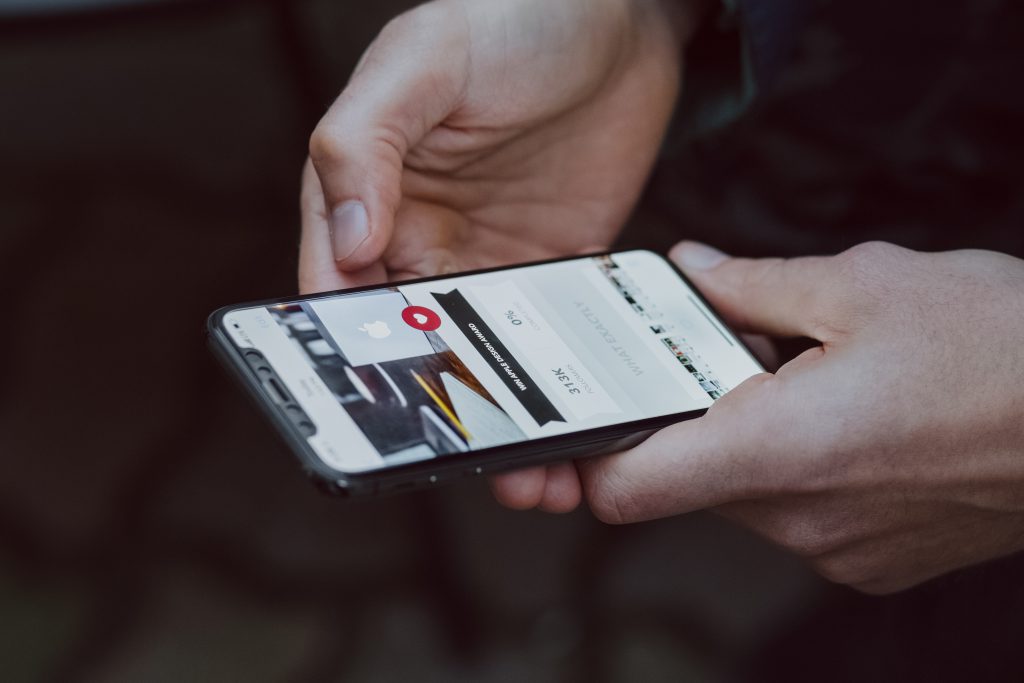

If you need a stable OS 14 right away, pick a Pixel 6-series or newer, a Samsung Galaxy S22/S23/S24 family, or current flagships from OnePlus, Xiaomi, Oppo and Vivo. Those lines received stable builds during the main vendor rollouts between Oct 2023 and Feb 2024, so unlocked units from those model groups will generally see updates first.
Quick action checklist: back up your data, free 3–5 GB of storage, connect to Wi‑Fi, charge above 50%, then run the system updater. For the fastest delivery prefer unlocked firmware or the vendor’s official update tool; carrier-locked handsets often lag by several weeks.
Midrange series (Galaxy A / Redmi Note / OnePlus Nord equivalents) follow manufacturer schedules and typically reached OS 14 later in Q1–Q2 2024. If you depend on timely upgrades, prioritize flagship or “supported for N years” models from the vendor pages and confirm your model number (e.g., G99x, SM‑S9xx, PD2A, etc.) before attempting manual installation.
Representative models that received stable OS 14 builds early: Pixel 6, 6 Pro, 6a, 7, 7 Pro, 7a, 8, 8 Pro; Samsung Galaxy S22/S23/S24 and Galaxy Z Fold/Flip 4/5; OnePlus 10/11/12; Xiaomi 13/14 series; Oppo Find X6 series; Vivo X90/X100 series. Use the manufacturer’s support page or IMEI lookup to verify eligibility and the vendor-specific rollout window for your exact SKU.
Recommendation for risk-averse users: wait for the vendor-labeled “stable” or “production” build and install only after at least one vendor cumulative patch has been issued for your region–this minimizes early bugs and carrier-specific regressions. Advanced users can enroll in vendor betas or use factory images, but that requires a full backup and familiarity with bootloader tools.
Do you mean a specific number of sections (e.g., 8, 10)? Please confirm how many headers you want.
Recommendation: Use 10 headers to provide focused coverage without overwhelming readers; aim for 120–220 words per header and a total article length near 1,500–2,200 words.
1. Quick snapshot (120–150 words) – one-paragraph summary with headline-support status counts, earliest rollout week, and expected upgrade window for major makers.
2. What’s new in v14 (160–220 words) – concise bulletable list of platform-level changes, privacy/tuneup items, and performance benchmarks to quantify improvements (include % CPU/memory numbers where available).
3. Manufacturer rollout schedules (140–180 words) – per-brand timeline table: manufacturer | build tag | month or quarter | scope (global/regional) | OTA vs. manual image. Include links to vendor advisories.
4. Model support matrix (200–260 words) – structured table sample: model name | SKU | support status (confirmed/planned) | expected update cadence | notes on exclusions; call out major flagships and midrange coverage gaps.
5. Carrier and regional caveats (140–180 words) – list carriers/regions with known delays, required carrier approvals, and SIM-locked model constraints; suggest how to verify carrier-specific builds.
6. Pre-upgrade checklist (120–160 words) – concrete steps: current build check command, full backup methods, free storage thresholds (recommend 8–12% free), battery charge minimum (50%+), and test app list to verify post-upgrade behavior.
7. Installation methods (150–200 words) – compare OTA, factory/fastboot images, and vendor-provided update tools; include exact commands or GUI paths where applicable and estimated duration per method.
8. Known issues and confirmed fixes (160–220 words) – table of issue | affected models | workaround | fix status; include firmware rollback guidance and how to report regressions to vendors.
9. Post-upgrade optimization (120–160 words) – clear actionable steps: app update order, reset app preferences, storage cleanup commands, and benchmark targets to verify expected performance.
10. Resources and verification (120–150 words) – authoritative sources to cite (vendor release notes, build repositories, carrier advisories), recommended search phrases for live status checks, and a short template readers can copy when asking for support.
Confirm desired count: Reply with “8”, “10”, or a custom number; if you choose fewer than 10, I will merge related headers and adjust suggested word counts and element types accordingly.
To read more info regarding 1xbet ios check out our webpage.
Android 14 Phones – Full List of Compatible Devices & Release Dates
Зимой владельцы Ford Focus 3 чаще всего сталкиваются с необходимостью быстро очистить зеркала от инея и льда. Для активации используется кнопка обогрева, инструкции по ремонт электрики авто – www.p2sky.com – а питание защищено отдельным предохранителем.
Кнопка включения обогрева
- Кнопка обогрева зеркал на Ford Focus 3 совмещена с клавишей обогрева заднего стекла
- После активации кнопка подсвечивается индикатором
- Продолжительность работы зависит от температуры и настроек
Индикация и работа системы
Подсветка кнопки сигнализирует о работе обогрева.
Если индикации нет, значит возможна неисправность кнопки или предохранителя.Проверка предохранителя
Предохранитель отвечает за защиту цепи обогрева зеркал и заднего стекла.
Ниже таблица с основными данными:
№ Номинал Назначение F62 10A Цепь питания обогрева зеркал и стекла F70 25A Дополнительная защита контура Местоположение предохранителя — в блоке под капотом.
Диагностика и причины неисправности
- Основная причина — перегоревший предохранитель
- Второй шаг — проверка кнопки обогрева
- Часто обрывается провод в двери при сгибе
- ТЭН зеркала выходит из строя при перегреве
- Комплексная проверка проводится мультиметром
Причины неисправности
- Предохранитель вышел из строя
- Неисправна кнопка включения
- Нарушен контакт в разъёме
- Нужна замена стекла с обогревом
Советы водителям Ford Focus 3
Регулярно проверяйте предохранитель и состояние кнопки.
Не ждите полной поломки — устраняйте мелкие проблемы заранее.Итог: система обогрева зеркал Ford Focus 3 проста, но требует внимания.
Обогрев зеркал Форд Фокус 3: кнопка, предохранитель, диагностика


Köpük temizleyiciyle temizlik: Neden yöntem önemlidir?
Yüz temizleme köpüğü, gün içinde ciltte biriken yağ, toz, ter ve güneş koruyucu kalıntılarını arındırmaya yardımcı olan su bazlı bir temizleyici türüdür. Ancak gereğinden fazla yıkama veya sert kullanım cildi “daha temiz” yapmaz; aksine ciltte kuruluk, kızarıklık ve tahriş gibi sorunları artırabilir. Bu yüzden amaç, cildi zorlamadan arı bir yüzey elde etmek ve cilt bariyerini korumaktır.
1) Köpüğün rolü: Beklentiyi doğru ayarlayın
Köpük temizleyiciler, formüllerindeki surfactantlar sayesinde yağ ve kiri suyla birlikte uzaklaştırır. Fakat “gıcır gıcır” his her zaman iyi değildir: Yıkama sonrası ciltte rahatsız edici çekme hissi oluşuyorsa, bu genellikle ürünün çok sert olduğuna işaret eder. İyi bir temizlikten sonra cilt rahat hissetmeli, yanma ve batma yaşamamalısınız.
2) Cilt tipine göre köpük seçimi
Yağlı / akneye eğilimli cilt
Bu cilt tiplerinde köpük temizleyiciler ferah bir his verebilir ve aşırı sebum görünümünü azaltmaya yardım edebilir. Yine de çok sert, aşırı parfümlü veya fazla arındıran ürünler bariyeri zayıflatabilir. Eğer akne için formüle edilmiş aktif içerikli bir temizleyici kullanıyorsanız, temas süresini tahriş etmeden ayarlayın.
Hassas ve kuruyan cilt
Köpük formu bazen daha kurutucu algılanabilir; bu yüzden parfümsüz, nazik ve bariyer dostu formüller tercih edilebilir. Sabahları yalnızca suyla durulayıp akşam temizleyici kullanmak, bazı hassas ciltlerde daha dengeli bir yaklaşım olabilir.
Karma cilt
Karma ciltte “tek beden” yaklaşımı yerine, uygulamayı bölgelere göre ayarlamak işe yarar: Burun-alın-çene hattına daha kısa ama etkili masaj yapın ve yanaklarda daha nazik uygulayın.
3) 30 saniyelik kontrol listesi
- Temiz ellerle başlayın: Kirli eller, temizleme sırasında cilde kir taşıyabilir.
- Saç çizgisini açık bırakın: Saç diplerindeki ürün artıkları ciltte kalıntı bırakmasın.
- Aşırı sıcak sudan kaçının: Çok sıcak su, cildin kurumasını hızlandırabilir.
- Temiz bir havlu tercih edin: Yüz havlusu temiz olmalıdır.
4) Adım adım doğru kullanım
Adım 1: Ilık suyla yüzü hazırlayın
Yüzünüzü ne sıcak ne soğuk suyla ıslatın. Bu, temizleyicinin eşit dağılmasına yardımcı olur moda ve stil dünyası sürtünmeyi azaltır.
Adım 2: Doğru miktarı alın
Pompaya sahip köpüklerde genellikle ihtiyaca göre 1 pompa yeterlidir. Daha fazla ürün, her zaman daha iyi temizlik demek değildir; fazlası gereksiz kuruluk yaratabilir.
Adım 3: Ovalamadan, nazikçe temizleyin
Köpüğü yüzünüze parmak uçlarınızla uygulayın. Sertçe ovalamayın. küçük hareketlerle T bölgesi üzerinde nazikçe gezdirin. Göz çevresinde daha hafif basınç kullanın; bu bölge hassas olduğu için kolay tahriş olabilir.
Adım 4: Süreyi doğru ayarlayın
Uygulama süresi “tek doğru” değildir. Genel olarak cildi rahatsız etmeyecek kadar masaj yeterli olur. Aktif içerikli temizleyicilerde bazı kişiler 30–60 saniye tercih edebilir; fakat yanma, batma, kızarıklık oluyorsa süreyi kısaltın ya da daha nazik bir ürüne geçin.
Adım 5: Kalıntı bırakmadan arındırın
Yüzünüzü ılık suyla tam durulayın. Çene hattı, saç çizgisi ve burun kenarlarında ürün kalıntısı kalması gerginlik yaratabilir. Durulama bittiğinde cilt temiz ama yumuşak hissettirmelidir.
Adım 6: Kurulama: tamponlayın
Yüzünüzü havluyla sürtmek yerine tamponlayarak kurulayın. Bu, özellikle hassas ciltlerde tahriş riskini düşürür.
5) Günlük kullanım sıklığı
Çoğu kişi için günde 1–2 kez temizlik yeterlidir. Sabah temizliği, gece biriken yağ ve ürün izlerini arındırmaya yardımcı olabilir; akşam temizliği ise gün boyu biriken çevresel kalıntılar için daha kritik kabul edilir. Eğer cildiniz çok kuru bir yapıya sahipse, sabah rutininizi yalnız suyla durulama ile hafifletebilirsiniz.
6) Köpük ikinci adım mı olmalı?
Suya dayanıklı makyaj, yoğun güneş kremi veya uzun süreli fondöten kullandığınız günlerde tek adım köpük her şeyi yeterince sökmeyebilir. Bu durumda çift aşamalı temizlik faydalı olabilir:
- Makyaj çözücü adım ile SPF ve makyajı çözün.
- İkinci temizlik ile cildi dengeleyin.
Yine de her gün çift aşama şart değildir. Cildiniz hassaslaşıyorsa, tek adım nazik bir köpük daha iyi olabilir.
7) Temizlik sonrası bakım: Nem ve koruma
Temizlikten sonra ciltte geçici bir hassasiyet oluşabilir. Bu nedenle yüzünüz hâlâ hafif nemliyken nemlendirici uygulamak faydalıdır. Sabah rutininin son adımı olarak SPF kullanmak, cilt sağlığı için en güçlü alışkanlıklardan biri olarak görülür.
8) En sık yapılan hatalar ve çözümler
- Çok sıcak su: Sıcaklığı düşürün.
- Sert ovalama: Parmak uçlarıyla nazik masaj tercih edin.
- Uzun süre bekletmek: Rahatsızlık olursa hemen durun.
- Yetersiz durulama: Akan suyla kontrol edin.
- Sert havlu: Tampon kurutma kullanın.
- Günde 3–4 kez temizlik: Cildi dinlendirin.
9) Daha konforlu temizlik için öneriler
Cilt savunması zayıfladığında cilt daha kolay kızarır hale gelir. Aşağıdaki küçük ayarlar büyük fark yaratabilir:
- Önce su ısısını ve süreyi kontrol edin.
- Cildi “ovalama” refleksini bırakın.
- Nemlendiriciyi geciktirmeyin.
- Rutin değişimlerini kademeli uygulayın.
10) Kısa sorular, net cevaplar
Soru: Yıkarken batma hissi oluyorsa ne yapmalıyım?
Batma hissi, cildin zorlandığını gösterebilir. Temizleyiciyi azaltın, daha yumuşak formül deneyin ve cildi nemlendirin.Soru: Double cleansing’i sürekli yapmalı mıyım?
Her gün gerekmez. İhtiyaca göre, özellikle akşamları ve ürün yoğunluğuna bağlı düşünün.Soru: Sabah köpük kullanmak zorunda mıyım?
Cilt tipine bağlıdır. Gece ağır ürün kullanmıyorsanız suyla durulama da bir seçenektir.Özet: Nazik rutin, sağlıklı cilt
Yüz temizleme köpüğünü doğru kullanmak, cildi daha çok arındırmak değil; doğru ürünü seçmek, ılık su kullanmak, iyi durulama uygulamak ve ardından bariyer desteği ile rutini tamamlamaktır. Bu adımları cilt tipinize göre uyarladığınızda, hem ferah bir his elde eder hem de cilt bariyerinizi korursunuz.
Yüz Temizleme Köpüğü Kullanım Kılavuzu: Adım Adım
AEVIT Nedir?
AEVIT, modern stil fikirleri klasik anlamda bir kozmetik krem değil; vitamin desteği mantığıyla geliştirilmiş kapsül formuyla tanınır.
Bu iki vitaminin tek bir kapsülde birleşmesi, AEVIT’i yüz bakımına ilgi duyan kullanıcılar için oldukça cazip hale getirmiştir.
Bu nedenle AEVIT’i yüz bakımında değerlendirmeden önce içeriğini ve olası etkilerini iyi anlamak önemlidir.
A Vitamini Yüz Bakımında Ne Sağlar?
A vitamini ailesi, cildin üst katmanlarındaki doğal yenilenme süreçlerini desteklemeyi amaçlayan içerikler arasında yer alır.
A vitamini, düzenli bakım rutinlerinde cildin genel görünümünü daha dengeli hale getirmeye yardımcı olabilir.
Başlangıç aşamasında ciltte kuruluk, gerginlik, pullanma veya hafif yanma hissi görülebilir.
Cilt bariyeri güçlendirilmeden yapılan yoğun uygulamalar, istenmeyen reaksiyonlara yol açabilir.
E Vitamininin Ciltteki Yeri
Günlük yaşamda maruz kalınan çevresel faktörler, cildin daha yorgun ve mat görünmesine neden olabilir.
Bu etki çoğu zaman E vitamininin kendisiyle birlikte taşıyıcı yağın nem tutma özelliğinden kaynaklanır.
Çok hassas ciltlerde bu tür içeriklere karşı istenmeyen tepkiler ortaya çıkabilir.
AEVIT’i Yüze Sürmek
AEVIT genellikle akşam veya gece bakım rutini kapsamında uygulanır.
Bu yöntemi deneyen kişiler, ciltte yoğun bir bakım ve beslenmişlik hissi oluştuğunu ifade edebilir.
Kimi kullanıcılar kısa sürede parlaklık ve yumuşaklık hissi yaşarken, bazıları tahriş veya sivilce artışı gibi olumsuz etkilerle karşılaşabilir.
Bazı Kullanıcıların Olumlu Bulduğu Yönler
Cilt, uygulama sonrası daha dolgun ve canlı görünebilir.
Yoğun bakım hissi özellikle gece bakımında tercih edilebilir.
Dikkat Edilmesi Gereken Noktalar
Hassas ciltlerde kızarıklık, yanma veya pullanma gibi reaksiyonlar oluşabilir.
Sık ve yoğun uygulama cilt bariyerini zayıflatabilir ve uzun vadede sorunlara yol açabilir.
Kullanım Öncesi Dikkat Edilmesi Gerekenler
Akneye yatkın, yağlı ve komedon problemi yaşayan bireyler.
Ayrıca aktif içerikli ürünleri düzenli olarak kullanan kişilerin AEVIT’i rutine eklerken daha dikkatli olması gerekir.
AEVIT Yerine Ne Tercih Edilebilir?
E vitamini içeren dengeli formüller, bariyer dostu içeriklerle birlikte tercih edilebilir.
Bu hedef, kontrollü aktifler ve düzenli bakım alışkanlıklarıyla daha güvenli şekilde sağlanabilir.
Özet
Cilt sağlığı için dengeli, nazik ve sürdürülebilir bir bakım yaklaşımı her zaman öncelikli olmalıdır.
Yüz İçin AEVIT: A ve E Vitamini Rehberi

Answer: This model ships with Google’s mobile OS 8.1 (Oreo) layered with Funtouch OS 4. Should you loved this information and you would love to receive more information concerning 1xbet free money kindly visit our web-site. 5; official full-platform upgrades beyond that release are uncommon, so plan on receiving only vendor-supplied security patches unless you choose an expert-led unofficial update path.
Verify the installed release by opening Settings → About phone (or System) → Software information. Expect to see “8.1 (Oreo)” or a line indicating the OS release, plus a separate field for the Google mobile OS security patch level and the Funtouch OS build string; copy the build number before attempting any manual changes.
To check and apply official updates use Settings → System update (or Software update): connect to Wi‑Fi, charge the battery to at least 50%, back up personal data, and install only signed OTA packages. If no official upgrades are offered, contact the manufacturer’s support site or an authorized service center rather than downloading unverified packages from random sources.
If you require a newer major release, the alternative is unlocking the bootloader and flashing a community build (custom recovery + custom firmware). This voids warranty, can brick the device, and requires device-specific images, verified checksums, and a full NANDroid backup; proceed only with step-by-step guides from reputable developer communities and a recovery plan.
Keep performance stable on 8.1 with Funtouch OS 4.5 by keeping apps updated, limiting background activity in Battery/App management, disabling unnecessary startup services, reducing animations in Developer options, clearing app caches, and performing a factory reset only after backing up if problems persist.
I noticed you wrote “0 headings.” How many sections would you like? (Please give a number.) Also confirm that each should contain 4–6 subheadings and that each section should have a different number of. I’ll then generate the HTML headings only, in English.
Recommendation: 3 sections.
Each section should contain 4–6 subheadings; assign unique counts so no two sections share the same number of subheadings.
Proposed distribution
Section 1 – 4 subheadings; Section 2 – 5 subheadings; Section 3 – 6 subheadings.
Next step
Confirm the number (3) and the distribution above; after confirmation I will generate the HTML headings only, in English.
Vivo Y93 Android Version — Which Android Does It Run?

Recommendation: choose a Google-backed operating system on your next display if you want the widest app catalog, built-in casting and voice assistant support; opt for a manufacturer’s native interface when you need custom picture presets, integrated tuners or lower latency out of the box.
Hardware checklist: prefer a panel with 3840×2160 resolution for 4K content and at least 60 Hz refresh for movies; select 120 Hz and HDMI 2.1 (4K@120Hz, VRR, ALLM) if you use next-gen consoles. Target input lag under 15 ms in game mode. Minimum system memory: 2 GB RAM / 8 GB storage; longevity target: 4 GB RAM / 16 GB storage or higher for smoother app updates and caching.
Software and app availability: Google-certified sets access the Play Store ecosystem, Chromecast casting and Google Assistant; manufacturer platforms often include bespoke apps, exclusive picture/AI modes and tighter integration with the maker’s peripherals. Major streamers (Netflix, Prime Video, Disney+, Hulu, YouTube, Max) are generally supported across both approaches, but region-specific or niche services may appear only on Google’s catalog–verify prior to purchase. Check codec/container support for HDR formats you value: Dolby Vision, HDR10+, HDR10 and audio passthrough for Dolby Atmos if you use external sound systems.
Updates, privacy and price guidance: confirm the vendor’s update policy–look for at least 2 years of security patches and periodic OS updates; factory settings should allow easy permission control for microphones and cameras. Typical price bands: under $300 for budget internet-enabled sets, $300–$800 for midrange models with better panels and chips, above $800 for flagship displays with premium HDR and sound. Final tip: prioritize the platform that matches your app usage and signal chain (soundbar/AV receiver), then match the panel and I/O to your gaming and HDR needs.
Core Technical Differences
Pick a model with a modern system-on-chip that includes hardware AV1 decode, at least 3–4 GB RAM and UFS or eMMC 5.1 storage of 16 GB or more if you expect frequent app installs and UI fluidity.
Processor and graphics: consumer devices use either purpose-built set-top SoCs or mobile-derived SoCs. Look for ARM core generations (Cortex‑A53 → A55 → A73/A76) and GPU families (Mali, Adreno, VideoCore). Newer cores and GPUs reduce UI frame drops, accelerate 3D interfaces and lower app latency; older A53-only solutions can struggle with complex launchers or advanced streaming overlays.
Memory and flash: RAM governs multitasking and buffered decoding. Minimum 2 GB handles basic menus; 3–4 GB yields smooth app switching; 6+ GB benefits heavy multi-app use and local caching. Storage type matters more than raw capacity: UFS (serial high-speed) offers much faster random I/O and app install times compared with eMMC; prefer UFS or eMMC 5.1 with at least 16 GB free for system updates and app caches.
Codec and video acceleration: hardware decode support for H.264, H.265/HEVC and VP9 is common; AV1 hardware decode is required for efficient modern 4K streaming from many services. Verify maximum hardware decode resolution and frame rate (e.g., 4K@60) and HDR pipeline support (HDR10, Dolby Vision, HLG) – lacking native decoder/HDR pipeline forces CPU fallback and causes dropped frames or higher bitrates.
Audio, DRM and security: check for hardware-backed DRM (Widevine L1 or equivalent) when you need full-resolution encrypted streams. Secure boot and a Trusted Execution Environment reduce attack surface for credentials and keys; absence of these features can restrict playback quality for premium services.
Connectivity and I/O: prefer gigabit Ethernet over 100 Mbps for reliable 4K streaming; Wi‑Fi 6 (802.11ax) reduces interference and improves sustained throughput compared with Wi‑Fi 5 (802.11ac). HDMI version matters: HDMI 2.0 handles 4K@60; HDMI 2.1 required for 4K@120, VRR and ALLM if using modern game consoles. Bluetooth 5.x improves input latency and range for remote controls and audio devices.
Updates, partitioning and manufacturer policy: firmware with A/B partitions and signed OTA images supports safer updates and rollback. Platforms built on mainstream mobile stacks usually receive more frequent security patches and broader app compatibility via standard app stores; strictly vendor-locked stacks may have limited app catalogs and slower patch cadence. Verify update policy length (months/years) before purchase.
OS architecture: update cadence and fragmentation
Choose a display whose maker documents a firm update policy: monthly security patches, yearly major-OS upgrades for at least two years, and OTA firmware that supports A/B partitions with rollback.
Expected cadence (practical targets)
- Security patches: monthly is ideal; accept quarterly only if clearly stated by vendor.
- Minor/bugfix firmware: every 1–3 months for active models.
- Major OS upgrades: roughly one per year; require vendor commitment for 2–3 release cycles.
Primary fragmentation drivers
- SoC vendor BSPs and closed-source drivers that prevent mainline kernel updates.
- OEM forks of the base platform (custom launchers, middleware) that diverge from upstream APIs.
- Different HAL implementations for audio, video and DRM, causing app compatibility variance across models.
- Proprietary DRM and certification requirements (Widevine level, Play certification) that affect streaming app behavior.
SoC vendor patterns (practical guidance)
- Amlogic, Rockchip: generally better community/mainline kernel activity; higher chance of third-party support and longer updateability.
- MediaTek (incl. MStar lineage): mixed–some mainstream SoCs now receive improved upstreaming, but confirm vendor policy per model.
- Broadcom, Realtek: often rely on closed BSPs; expect slower or no OS-version upgrades and limited kernel patching.
Security/update technology to look for
- A/B (seamless) update partitions and verified boot signatures.
- Delta OTA packages to reduce update size and failure rates.
- Public release notes with CVE/security patch dates.
- Signed, timestamped firmware and documented rollback protection behavior.
Real-world effects of fragmentation
- App breaks or reduced performance after platform forks or driver changes.
- Delayed availability of new APIs for app developers; some apps may be absent from device app stores.
- Streaming services may restrict quality (e.g., HD/HDR) based on DRM certification status.
Pre-purchase checklist (actionable)
- Find the vendor’s published update policy (patch cadence, length of OS support).
- Identify the SoC model and search kernel/mainline support and recent commits on public repos.
- Verify presence of Google Play certification and Widevine L1 (if streaming quality matters).
- Check recent firmware release notes for security patch dates and frequency.
- Search technical forums (XDA, vendor community) for reports of update reliability and rollback cases.
When update longevity and app compatibility are priorities, prefer displays running close-to-AOSP stacks with transparent update schedules, A/B OTA, and SoCs that have demonstrated upstream kernel support; otherwise expect faster fragmentation and shorter effective lifetime.
If you liked this report and you would like to acquire a lot more data about 1xbet latest version kindly check out our site.
Smart TV vs Android TV – Differences, Features & Buying Guide
Check the AOSP repository and the associated license files first: the core source code was released as an open-source project in 2008 and is available under Apache License 2. Here is more information in regards to 1xbet promo codes take a look at the web site. 0, which permits redistribution and modification with minimal copyright restrictions. For device makers planning commercial distribution, this means you can fork and ship the open-source codebase, but proprietary additions and branding are governed separately.
Separate code from branding and proprietary services: the open tree covers the OS engine and many platform components, while the mobile services suite (GMS) and the Play Store are delivered under a separate, proprietary licensing regime and protected by trademark and copyright filings. Integrating Google Mobile Services requires signing the compatibility agreements and meeting the Compatibility Test Suite (CTS) and other certification requirements; without that, preinstalling the Play Store and associated apps is not permitted.
Verify legal control through public records: confirm trademark registrants in USPTO/EUIPO databases, review recent SEC filings for the corporate steward to see how trademarks and service offerings are managed, and consult the AOSP governance pages for contributor and maintainer details. For redistribution risk assessment, obtain written license terms for any proprietary components you plan to include.
Practical checklist for OEMs and developers: 1) Decide whether you will ship only the open-source platform (no Play Store or GMS) or pursue a commercial license; 2) Request compatibility and licensing documentation from the platform steward; 3) Run CTS and pass compatibility requirements before advertising access to the Play ecosystem; 4) Keep records of trademark clearance and licensing agreements for each target market. For contract-level certainty, obtain counsel experienced in mobile platform licensing and intellectual property.
Corporate ownership overview
Commission a legal and technical compliance audit before committing to device integration: include a license review of the open-source core (AOSP), an assessment of commercially licensed services, and a compatibility test plan tied to the Compatibility Test Suite (CTS) and Compatibility Definition Document (CDD).
The primary corporate steward is a U.S.-based publicly traded holding headquartered in Mountain View, CA, with market capitalization above $1 trillion as of mid-2024; that entity funds both the upstream open-source repository and the separate proprietary services ecosystem that most consumer-facing devices rely on.
The software model is explicitly dual-track: the open-source core is distributed under permissive licenses (primarily Apache 2.0), allowing forks and redistribution without service entitlements, while the proprietary services bundle (app marketplace, push messaging, account sync, maps, in-app billing) is governed by commercial contracts and conditional licensing. Access to the proprietary suite typically requires passing CTS, meeting CDD requirements, and signing a regional distribution agreement.
Market penetration: the open-source-based platform and its ecosystem power roughly 70–75% of global smartphones (latest public estimates through 2023–mid‑2024). Regulatory actions have affected contractual terms in the past – for example, a major EU fine of €4.34 billion in 2018 related to service bundling – and ongoing antitrust reviews in multiple jurisdictions can alter licensing and preinstallation rules.
Practical recommendations for OEMs and integrators: allocate a compliance budget (engineering + legal + certification) in the low six figures for initial integration and regional certification; plan for recurring costs tied to security patching and service licenses; require contractual language that permits transfer or re-negotiation of service licenses in M&A scenarios; and implement a monthly security update cadence aligned with upstream patch releases.
Risk controls to include in commercial negotiations: explicit license scope for proprietary binaries, warranty and indemnity caps for third-party IP, SLA for security updates (time-to-patch commitments), and a clearly defined exit mechanism for devices shipped without the proprietary services (to avoid unexpected liabilities or loss of service access).
Alphabet vs Google: legal entities
Execute commercial agreements and IP licenses with the specific operating subsidiary named in the contract; verify that entity against SEC filings and state incorporation records before signing.
- How to verify the correct legal counterparty:
- SEC filings: consult the parent company’s Form 10-K (and recent 8-Ks) – Exhibit 21 lists all consolidated subsidiaries and identifies the operating unit that runs search, advertising and the mobile platform.
- Delaware Division of Corporations: confirm exact legal name, entity type (corporation or LLC) and current status; request certificate of incorporation or good‑standing.
- USPTO/US Copyright Office and patent assignment databases: confirm title holder for trademarks, patents and copyrighted code before licensing or enforcement.
- Corporate control and voting structure to check:
- Public equity trades under two main tickers representing Class A (one vote per share) and Class C (no vote) stock; a third class of supervoting shares is privately held by founders and controls board composition.
- For shareholder voting, confirm which class is relevant to your transaction and whether any voting agreements or transfer restrictions apply (see charter and bylaws in SEC exhibits).
- Contracting checklist:
- Use the full legal name, entity type and state of formation exactly as shown in Delaware or SEC records.
- Obtain a recent certificate of good standing, a certified copy of the board resolution authorizing the transaction, and proof of signatory authority.
- Include explicit IP assignment, warranty and indemnity language; if rights are licensed between group entities, require written confirmation of the licensor’s authority.
- Litigation, process and enforcement:
- Identify the defendant entity from complaints or filings – suits are typically brought against the specific subsidiary that controls the subject matter at issue.
- Serve process on the registered agent in the state of incorporation and on the principal executive offices (1600 Amphitheatre Parkway, Mountain View, CA 94043) when applicable; also check state rules for service on LLCs vs. corporations.
- Recommended due diligence timeline:
- Immediate (before negotiation): confirm legal entity, state of incorporation, and IP title records.
- Pre-signature: obtain corporate resolutions and certificate of good standing (30–60 days validity preferred).
- Pre-closing: re-run searches for encumbrances, update representations and obtain indemnities tied to any third-party claims discovered late.
Primary documentary sources: the parent company’s SEC filings (10‑K, 8‑K, Exhibits), Delaware incorporation records, USPTO assignment database and the subsidiary’s certificate of formation; rely on those for definitive answers rather than press reports or third‑party summaries.
Who Owns Android? Google, Alphabet & Android OS Ownership Explained

Giriş: Köpük temizleyici neden “doğru” kullanılmalı?
Yüz temizleme köpüğü, gün içinde ciltte biriken sebum, kir, ter ve SPF kalıntılarını arındırmaya yardımcı olan su bazlı bir temizleyici türüdür. Ancak aşırı temizlik veya sert kullanım cildi “daha temiz” yapmaz; aksine ciltte gerginlik, kızarıklık ve tahriş gibi sorunları artırabilir. Bu yüzden amaç, cildi zorlamadan temiz bir yüzey elde etmek ve cilt bariyerini korumaktır.
1) Köpüğün rolü: Beklentiyi doğru ayarlayın
Köpük temizleyiciler, formüllerindeki temizleyici ajanlar sayesinde yağ ve kiri suyla birlikte uzaklaştırır. Fakat “gıcır gıcır” his her zaman iyi değildir: Yıkama sonrası ciltte aşırı gerginlik oluşuyorsa, bu genellikle ürünün çok sert olduğuna işaret eder. İyi bir temizlikten sonra cilt rahat hissetmeli, yanma ve batma yaşamamalısınız.
2) Köpük temizleyiciyi seçerken dikkat edilecekler
Karma-yağlı ve akne eğilimli cilt
Bu cilt tiplerinde köpük temizleyiciler ferah bir his verebilir ve aşırı sebum görünümünü azaltmaya yardım edebilir. Yine de çok sert, yüksek alkollü veya cildi soyup soğana çeviren ürünler ters etki yapabilir. Eğer akne için formüle edilmiş aktif içerikli bir temizleyici kullanıyorsanız, temas süresini tahriş etmeden ayarlayın.
Hassas ve kuruyan cilt
Köpük formu bazen daha kurutucu algılanabilir; bu yüzden kokusuz, nazik ve nem destekli formüller tercih edilebilir. Sabahları yalnızca suyla durulayıp akşam temizleyici kullanmak, bazı hassas ciltlerde daha konforlu bir yaklaşım olabilir.
T bölgesi yağlı, yanaklar kuru cilt
Karma ciltte “tek beden” yaklaşımı yerine, uygulamayı bölgelere göre ayarlamak işe yarar: Burun-alın-çene hattına daha kısa ama etkili masaj yapın ve yanaklarda daha kısa süreli uygulayın.
3) Uygulamadan önce hazırlık
- Temiz ellerle başlayın: Kirli eller, temizleme sırasında cilde yağ taşıyabilir.
- Saç çizgisini açık bırakın: Saç diplerindeki ürün artıkları yüze bulaşmasın.
- Ilık su hazırlayın: Çok sıcak su, cildin kurumasını hızlandırabilir.
- Yüz havlunuzu ayırın: Yüz havlusu temiz olmalıdır.
4) Köpük temizleyici nasıl uygulanır?
Adım 1: Ilık suyla yüzü hazırlayın
Yüzünüzü ne sıcak ne soğuk suyla ıslatın. Bu, temizleyicinin kolay yayılmasına yardımcı olur ve sürtünmeyi azaltır.
Adım 2: Ürünü avuca alıp yaymaya hazırlayın
Pompaya sahip köpüklerde genellikle ihtiyaca göre 1 pompa yeterlidir. Daha fazla ürün, her zaman daha iyi temizlik demek değildir; fazlası gereksiz kuruluk yaratabilir.
Adım 3: Ovalamadan, nazikçe temizleyin
Köpüğü yüzünüze parmak uçlarınızla uygulayın. Bastırmayın. küçük hareketlerle burun kenarları, alın, çene üzerinde nazikçe gezdirin. Göz çevresinde daha hafif basınç kullanın; bu bölge hassas olduğu için kolay tahriş olabilir.
Adım 4: Ne kadar süre masaj yapmalı?
Uygulama süresi “tek doğru” değildir. Genel olarak cildi rahatsız etmeyecek kadar masaj yeterli olur. Aktif içerikli temizleyicilerde bazı kişiler biraz daha uzun tercih edebilir; fakat yanma, batma, kızarıklık oluyorsa süreyi kısaltın ya da daha nazik bir ürüne geçin.
Adım 5: İyice durulayın
Yüzünüzü ılık suyla iyice durulayın. Çene hattı, saç çizgisi ve burun kenarlarında ürün kalıntısı kalması pütür hissi yaratabilir. Durulama bittiğinde cilt ferah ama gergin değil hissettirmelidir.
Adım 6: Nazik kurutma
Yüzünüzü havluyla sürtmek yerine tamponlayarak kurulayın. Bu, özellikle hassas ciltlerde konforu artırır.
5) Günlük kullanım sıklığı
Çoğu kişi için günde özellikle akşam temizlik yeterlidir. Sabah temizliği, gece biriken ter ve ürün izlerini arındırmaya yardımcı olabilir; akşam temizliği ise gün boyu biriken kir, SPF, makyaj için daha kritik kabul edilir. Eğer cildiniz kolay kızaran bir yapıya sahipse, sabah rutininizi yalnız suyla durulama ile hafifletebilirsiniz.
6) Köpük ikinci adım mı olmalı?
Suya dayanıklı makyaj, yoğun güneş kremi veya uzun süreli fondöten kullandığınız günlerde tek adım köpük her şeyi tam çözmeyebilir. Bu durumda çift aşamalı temizlik faydalı olabilir:
- Yağ bazlı temizleyici / balm / misel ürün ile SPF ve makyajı çözün.
- Köpük adımı ile cildi son kalıntıları temizleyin.
Yine de her gün çift aşama şart değildir. Cildiniz hassaslaşıyorsa, tek adım bariyer dostu temizleyici daha iyi olabilir.
7) Köpükten sonra rutini kilitleyin
Temizlikten sonra ciltte geçici bir kuruluk eğilimi oluşabilir. Bu nedenle yüzünüz hâlâ hafif nemliyken hafif bir losyon uygulamak faydalıdır. Sabah rutininin son adımı olarak SPF kullanmak, cilt sağlığı için temel bir gereklilik olarak görülür.
8) En sık yapılan hatalar ve çözümler
- Çok sıcak su: yaz modası Suyu ılıtın.
- Cildi çekiştirme: Daha yumuşak dokunuş tercih edin.
- Uzun süre bekletmek: Rahatsızlık olursa hemen durun.
- Kalıntı bırakma: Akan suyla kontrol edin.
- Ortak havlu: Sık değişim kullanın.
- Her yağlandıkça köpük: Rutini basitleştirin.
9) İnce ayar: Daha iyi sonuç için küçük tüyolar
Bariyer zayıfladığında cilt daha kolay kızarır hale gelir. Aşağıdaki küçük ayarlar büyük fark yaratabilir:
- Sorun yaşıyorsanız ilk adım olarak uygulamayı yumuşatın.
- Köpüğü yüzünüze yayarken bastırmayın.
- Duştan çıkar çıkmaz bakım yapın.
- Yeni ürünü birkaç gün test edin.
10) Sık sorulan sorular
Soru: Temizlerken yanma olursa?
Batma hissi, cildin zorlandığını gösterebilir. Temizleyiciyi azaltın, daha yumuşak formül deneyin ve cildi nemlendirin.Soru: Çift aşamalı temizlik herkese uygun mu?
Her gün gerekmez. İhtiyaca göre, özellikle akşamları ve ürün yoğunluğuna bağlı düşünün.Soru: Sabah temizleyici gerekli mi?
Cilt tipine bağlıdır. Gece ağır ürün kullanmıyorsanız suyla durulama da bir seçenektir.Sonuç: Temizlikte denge kazandırır
Yüz temizleme köpüğünü doğru kullanmak, daha uzun yıkamak değil; doğru ürünü seçmek, ılık su kullanmak, iyi durulama uygulamak ve ardından bariyer desteği ile rutini tamamlamaktır. Bu adımları cilt tipinize göre uyarladığınızda, hem ferah bir his elde eder hem de cilt bariyerinizi korursunuz.
Yüz Temizleme Köpüğünü Doğru Kullanma Rehberi
Choose Anker PowerLine III 100W Type‑C to Type‑C braided lead: 20V/5A (100W) Power Delivery support, integrated E‑marker chip, 10 Gbps file transfer rating, reinforced strain relief and nylon braid, tested to 25,000+ bends, 18‑month warranty. When you have any issues about where and also how to use promo code 1xbet today, you can contact us on the web-site. Ideal pairing with high‑watt chargers and laptops when rapid recharges and large file copies are needed.
If compact length or ultra‑high throughput matters, consider Belkin BoostCharge 60W Type‑C lead (10 Gbps, molded connectors) or Ugreen 100W Type‑C optic/active options that maintain full 100W and 40 Gbps throughput at 2 m lengths. Nomad Kevlar lines emphasize abrasion resistance and long service life; Baseus and Anker offer braided low‑loss cords with thicker conductors to minimize voltage drop during sustained heavy charging.
Focus selection on these measurable attributes: certified Power Delivery rating (20V/5A = 100W), presence of an E‑marker chip when currents exceed 3A, transfer speed (10 Gbps vs 40 Gbps), connector plating and strain relief design, jacket material (braided nylon or thermoplastic elastomer), and warranty length (18–24 months preferred). Prefer 1 m length when minimizing voltage loss; select 2 m only when convenience outweighs a minor drop in charging efficiency. Verify USB‑IF or equivalent certification and match cord capabilities to charger and device power profiles to avoid throttled charging or reduced transfer rates.
How to Read USB-C Cable Specifications
Recommendation: pick an e‑marked Type‑C lead explicitly rated 5 A / 100 W and labelled with the protocol you need (examples: “USB 3.2 Gen 2 – 10 Gbps”, “Thunderbolt 3 – 40 Gbps”) when you require both high power and high transfer throughput.
Power markings: if a product shows 3 A it supports up to 60 W at 20 V (3 A × 20 V = 60 W); 5 A indicates up to 100 W. Look for PD version (PD 2.0, PD 3.0) and PPS support – PPS allows fine voltage/current steps (useful for rapid charging with compatible chargers and devices).
Throughput labels and what they mean: “USB 2.0” = 480 Mbps; “USB 3.2 Gen 1” (aka 5 Gbps); “USB 3.2 Gen 2” = 10 Gbps; “USB 3.2 Gen 2×2” = 20 Gbps; “Thunderbolt 3/4” = 40 Gbps. A lead marked only as USB 2.0 will limit transfers to 480 Mbps even if connectors are Type‑C.
E‑marker and conductor gauge: an e‑marker chip is required for >3 A-rated assemblies; verify “e‑marked” on the label. Check AWG values: lower AWG = thicker conductor. Typical recommendations: 22–24 AWG for VBUS power pairs to keep voltage drop low at high current; 28–30 AWG for high‑speed signal pairs. For sustained 5 A use, prefer shorter lengths (<2 m) or thicker power conductors (≤22 AWG).
Length and voltage drop: voltage drop = I × R; longer thin leads increase loss and heat. Example: at 5 A a thin power wire can lose several volts over a long run, preventing full charging power. If you need full 100 W at distance, choose a lead with thicker power wires and e‑marker certification.
Video and alternate modes: look for “Alt Mode: DisplayPort 1.4” (specifies supported resolution/refresh – e.g., 4K@60 Hz). If the listing names supported resolutions/Hz, trust those numbers rather than assuming video will work.
Shielding and reliability indicators: S/FTP or braided shield is better for EMI rejection; gold‑plated contacts reduce corrosion. Reinforced strain relief and molded connectors reduce failure at the ends. Manufacturer specs that list S/FTP, plated contacts, and a flex rating (bends) are preferable.
Certifications and markings to rely on: USB‑IF Certified logo (confirms compliance), Thunderbolt certification logo for 40 Gbps support, explicit “e‑marked” for >3 A, and clear wattage/ampere/protocol labels. If a listing omits these specifics, treat capability claims as unverified.
Quick checklist to read a label: wattage/amps listed (3 A vs 5 A); protocol and exact Gbps; “e‑marked” statement; AWG or power‑wire thickness; length in meters; Alt‑Mode/video support and declared resolutions; USB‑IF or Thunderbolt certification. Require at least three of these concrete specs on the package before buying.
Check Power Delivery (PD) wattage rating
Select a PD-rated charging lead that meets or exceeds your device’s maximum input: 18–30W (phones), 30–45W (tablets), 45–65W (large tablets/minilaptops), 65–100W (ultrabooks), 140–240W (high-power notebooks supporting PD3.1 EPR).
Check labels and specs: explicit wattage (example labels: “PD 45W”, “PD 100W”, “PD 240W”), voltage and current markings (“20V 5A”), or PD version indicators (PD3.0, PD3.1 EPR).
- Wattage math: power = voltage × current (examples: 20V × 3A = 60W; 20V × 5A = 100W).
- E-marker presence: leads rated at 5A include an electronic marker chip; absence of an e-marker typically limits usable current to 3A.
- Rating match: charger output wattage must be ≤ lead maximum handling and ≥ device maximum input to avoid bottlenecks.
- High-voltage PD3.1 setups (140–240W) require certified high-power leads explicitly labeled with that wattage and 48V support.
- Warning signs: persistent slow charging, warm connectors, or discoloration indicate an under-rated lead or connector–cease use and replace immediately.
Power Delivery negotiation restricts delivered current to the device’s requested level, so a higher-rated power supply will not force excessive power. An under-rated lead can still throttle speed and generate heat despite correct PD negotiation.
Best Data Cable Brands for Android – Fast, Durable USB-C Cables
- Locate the device maximum input on the manufacturer’s spec sheet.
- Confirm the charger PD wattage equals or exceeds that value.
- Confirm lead current rating (3A vs 5A) and presence of an e-marker when supplying >60W or >3A.
- Prefer leads explicitly labeled with PD wattage matching the supply; avoid vague labels without numeric wattage.