
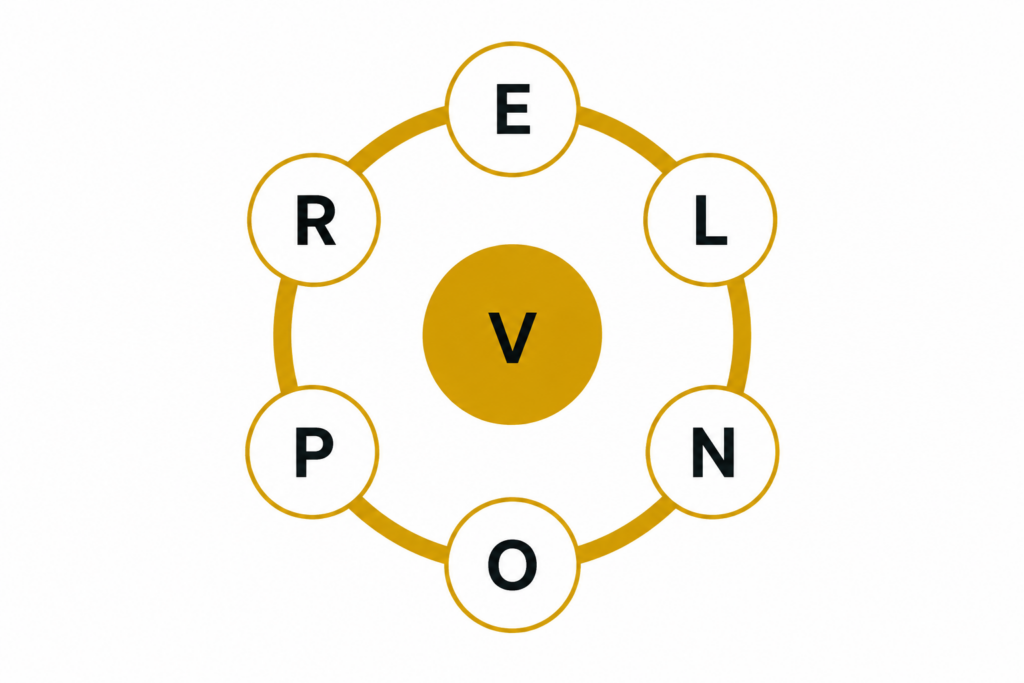
Introduction
Stuck on a puzzle that’s nearly finished, with one long word still hiding from you? Every NYT Spelling Bee player has been there. A good spelling bee pangram hint can save your streak without spoiling the fun. That’s what the pangram page at Today Spelling Bee Answers is for.
It shows the day’s pangram, its definition, and whether the puzzle hides a perfect one. Let’s walk through what a pangram is, how the page works, and how to use it without ruining your own solve.
What Is a Pangram in the NYT Spelling Bee?
A pangram is the word every player hunts for first. In the NYT Spelling Bee, it’s any word that contains all seven of the day’s letters at least once. The name comes from a wider wordplay tradition of using every letter in a set, and the Bee simply applies it to its seven-letter honeycomb.
Here’s the part people sometimes miss: repeats don’t matter. A letter can show up twice, three times, or more. All that counts is that none of the seven is missing. Pangrams also tend to be among the longer words in the puzzle, often seven to twelve letters. That’s why they’re hard to spot. Your eye keeps landing on short, obvious words instead.
Why the Pangram Is Worth Chasing First
The pangram is the most valuable word in the grid, and the scoring explains why. You get the word’s regular point value plus a seven-point bonus on top. No other word in the puzzle can match that kind of jackpot. One find can move you a long way up the ranks in a single entry.
There’s a practical benefit too. Most players find that spotting the pangram early makes everything else easier. Once you know how the seven letters fit together in a long word, you start seeing smaller words inside it, along with likely endings and beginnings. So even if you’re a casual solver, it’s smart to give the pangram your first serious attention.
What Makes a Perfect Pangram Special?
Some days the puzzle includes a perfect pangram, and those are a treat. A perfect pangram uses all seven letters exactly once, with no letter repeated. Because there’s no room for doubled letters, these words are harder to find. Many players consider them the most satisfying words in the whole puzzle.
The pangram page showed a good example for Friday, October 2, 2026. The letters were A, I, L, M, N, P and T, and the answer was “implant.” Count them: I, M, P, L, A, N, T. Seven letters, each used once. The page defines it as a transitive verb meaning to insert something surgically into the body. You can double-check the meaning in the Merriam-Webster entry for implant if you like.
How Many Pangrams Can One Puzzle Have?
Most daily puzzles contain exactly one pangram, so that’s what you should expect when you open the game. Some days bring two, and those are a nice surprise. Three-pangram days are rare, and when one shows up, it feels like the puzzle is rewarding you for sticking around.
You don’t have to guess which kind of day you’re in. The summary at the top of the pangram page tells you how many pangrams today’s puzzle holds, and it also says whether a perfect pangram is in the mix. Knowing the count helps you decide when to stop hunting. If the page says there’s only one and you’ve already found it, you can put your energy into the shorter words.
Getting a Spelling Bee Hint Without Spoilers
Not everyone wants the answer handed over. Sometimes you just need a nudge. That’s where the hints page comes in. It gives you the first two letters of the pangram without revealing the full word, so you keep the satisfaction of finishing it yourself.
Here’s a simple way to use that nudge. Take the two letters and look at your honeycomb. Ask which of the remaining letters could plausibly follow, and think about common word patterns that begin that way. Try saying a few candidates out loud. Since pangrams run long, you’ll often notice the ending before the middle. Give yourself five focused minutes with those two letters before you decide to peek at anything else.
What About Yesterday’s Pangram?
Missed yesterday’s puzzle? It happens to everybody. The full word and its definition are saved on the yesterday’s answers page, so you can check it whenever you like. That’s handy if you’re settling a debate with a friend or just wondering which word carried the bonus points the day before.
It’s also a decent way to train your eye. Reading a few past pangrams and their definitions shows you what kinds of words the puzzle tends to favor. You’ll start recognizing common building blocks, and your next hunt gets a little faster.
When You Need More Than the Pangram
The pangram is only one piece of the puzzle. If you’re stuck on the rest, the full word list sorts every answer by length, which makes it easy to see what’s left. If you’d rather stay in control, the spoiler-free hints let you decide how much help you want before you commit to seeing answers.
Prefer to finish on your own terms? Try the solver to work through the rest at your own pace. And a quick note on timing: the page updates daily at 3 AM Eastern, so check after that for the new pangram. The site isn’t affiliated with The New York Times, so think of it as a fan-made companion to the game.
Frequently Asked Questions
What exactly is a pangram in Spelling Bee?
It’s a word that uses every one of the day’s seven letters at least once. Letters can repeat, as long as none are missing. Finding it earns the word’s normal points plus a seven-point bonus.
Can a puzzle have more than one pangram?
Yes. Most days have one, two-pangram days are less common, and three-pangram days are rare. The summary at the top of the pangram page tells you the exact count.
What’s a perfect pangram?
It’s a pangram that uses each of the seven letters exactly once, with nothing repeated. They’re harder to find and often feel the most rewarding. The page also tells you whether today’s puzzle has one.
How long is a typical pangram?
They’re usually among the longer words in the puzzle, often seven to twelve letters. A perfect pangram will always be exactly seven letters, since each letter appears once.
When does the pangram update?
The page refreshes every day at 3 AM Eastern. If you check before then, you might still see the previous day’s word.
Can I get a hint without seeing the whole word?
Yes. The hints page shows the first two letters of the pangram and keeps the rest hidden. That’s usually enough to spark your memory.
Final Thoughts
A pangram is the best-paying word in the grid, and it’s also the one that can make or break your session. Knowing the rules helps: all seven letters, repeats allowed, a seven-point bonus, and the occasional perfect one with no repeats. Knowing where to look helps even more.
Start with the page summary so you know how many pangrams you’re hunting. If you’re still stuck, ask for those first two letters and give yourself a few minutes. Save the full word for the moments when you truly need it. Do it that way, and the pangram goes from a roadblock to the highlight of your morning puzzle.