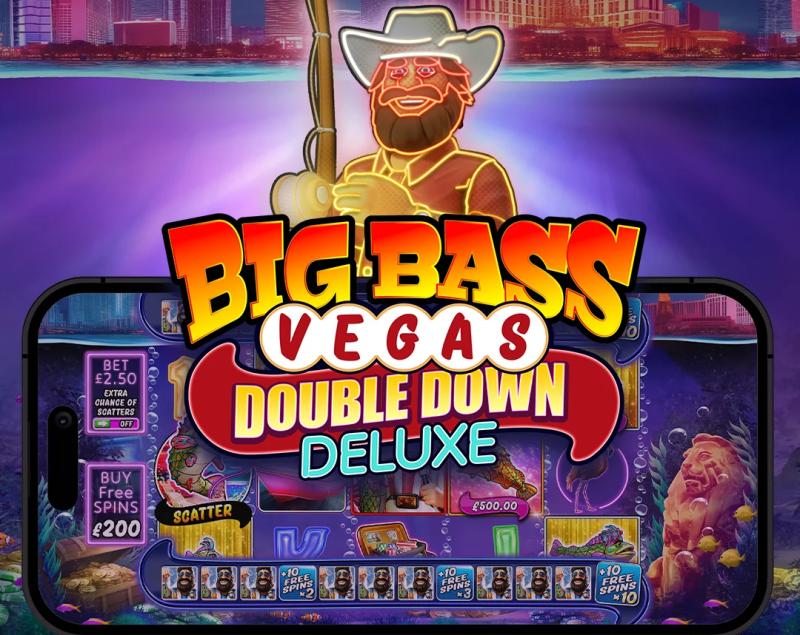
Over the years studying the intricacies of digital slot gaming, I have observed a multitude of strategies focused on mastering the reels. One game that perpetually headlines the forums is Big Bass Bonanza. It is arguably one of the most popular angling-themed slots ever created. Yet, the central debate continues: is utilizing the Big Bass Bonanza free version truly the most effective method to test payout trends?
In my practice, I’ve found that players typically view the demo mode with a combination of skepticism and excitement. The idea of practicing without losing a solitary penny is highly alluring. Since the game demands that all participants be at least 18 years old, the demographic is adult enough to grasp that machines are governed by complex algorithms. Notwithstanding this, the innate tendency to locate logic in chaos drives many to invest hours in the no-cost environment.
Throughout this piece, I will explore whether the practice version accurately mirrors the paid experience. I will analyze the game details, offer practical insights, and finally present a conclusion on whether strategy simulation in the demo actually functions.
Game Mechanics and Technical Details of the Demo
To understand the utility of testing on the Big Bass Bonanza practice mode, one needs to initially peer under the surface. The software, crafted by Reel Kingdom, runs on a classic 5×3 grid with 10 fixed paylines. In my technical reviews, I have noted that the free version is designed to be mathematically equivalent as the live version.
The payout percentage is a vital metric. big bass bonanza demo play Bass Bonanza usually offers an RTP of approximately 96.71%. This stat remains constant across both the demo and real environments. Crucially, it is essential to remember that this is a statistical projection over billions of turns. The 18 various wagering options available in the demo enable users to simulate various funding management plans.
Furthermore, the risk level is rated as elevated. This means that while wins may be infrequent, they have the opportunity to be larger when they actually hit. The primary feature is the extra spins sequence, unlocked by landing three or more bass icons. During my sessions, I found that the RNG acts with the same randomness regardless of whether you are using virtual credits or real capital.
Using Free Play to Identify Potential Payout Trends
When beginning to examine Big Bass Bonanza in free play, I consistently advise adopting a structured strategy. Merely hitting the spin button without a goal will won’t yield useful results. I suggest recording no less than 500 to 1,000 rounds to gain a clearer view of the machine’s rhythm.
Initially, focus on the rate of bass fish. In my sessions, I record how many spins pass before entering the bonus feature. While each outcome is random, noting these gaps assists testers psychologically prepare themselves for the swings of the actual version. If you see a run of 18 or more losing rounds, it acts as a vivid demonstration of the high variance at play.
Another technique I use is progressive wagering simulation. Start with the smallest permitted amount and slowly up it once a set number of losses. This enables you to see how a fake bankroll endures the drain of a losing streak. Using this tactic, you develop a intuition for the timing of the Fisherman in the bonus round.
Pros and Cons of Pattern Testing in Demo Mode
Testing in demo mode is isn’t a foolproof system. It arrives with a distinct array of advantages and cons that every informed player ought to weigh carefully.
The Pros:
- Zero-cost learning: You can see every mechanic of the game avoiding the cash risk.
- Understanding the bonus ladder: The Big Bass Bonanza feature is tricky with its collection system. The practice mode is the perfect classroom to understand how the 18 different value symbols interact with the collector.
- Psychological training: It assists you to create patience during protracted losing streaks.
The Cons:
- False illusion of mastery: Winning in demo might cause users to think they have found a secret, though in fact, the next spin is forever independent.
- Lack of emotional impact: In my experience that users bet less cautiously when the money isn’t real. The tactics you create in demo may crumble under the stress of live play.
- Randomness reality: No sequence observed in the practice game is guaranteed to manifest in the paid version.
Summary: Is the Big Bass Bonanza Demo the Ultimate Testing Tool?
After extensive evaluation, my verdict is nuanced. The big bass slots Bass Bonanza practice mode is an exceptional tool for education, but it is not a crystal ball. It permits you to see the mechanics and prepare your stakes, but it won’t ensure actual wins.
In my observations, I have noted that the smartest players use the practice mode to set their mindset. They realize that triggering the big jackpot or getting 18 sequential hits in free play is a result of pure chance, not a indicator of a guaranteed pattern. The RNG makes sure that every outcome is fresh.
Ultimately, the free play is the supreme way to check a strategy to the software, but it ought to never be viewed as a way to assured payouts. Approach the game with caution, and forever play within your means.
Frequently Asked Questions About Big Bass Bonanza Demo
1. Does the free version pay out more than the real one?
Absolutely not, licensed developers like Pragmatic Play use the identical math engine for both modes. Any noticed boost in luck is merely down to short-term chance.
2. Are real payouts possible in free play mode?
The simple answer is no. Free play functions with fake currency that have absolutely no monetary value. It is purely for educational purposes. You must be over 18 to play for real payouts.
3. How many spins should I do in the demo to see a pattern?
I recommend that a sample size of at least 500 to 1,000 spins is needed to observe the volatility of the game. Small tests do not provide sufficient data for a proper evaluation.
4. Is bonus frequency different in free mode?
This is usually a mental bias. In practice mode, you often to wager faster and without worry, which leads wins to appear more regular. The math behind the game is consistent.
5. What is the most important feature to test in the demo?
From my view, the bonus round ladder is the most vital element to test. Understanding how the Fisherman accumulates fish symbols and unlocks multipliers is paramount for handling real gameplay.
6. Is 18 a significant number in the game?
The game actually contains 10 standard lines. The integer 18 is more relevant to the required requirement to officially access gambling activities in several regions.