
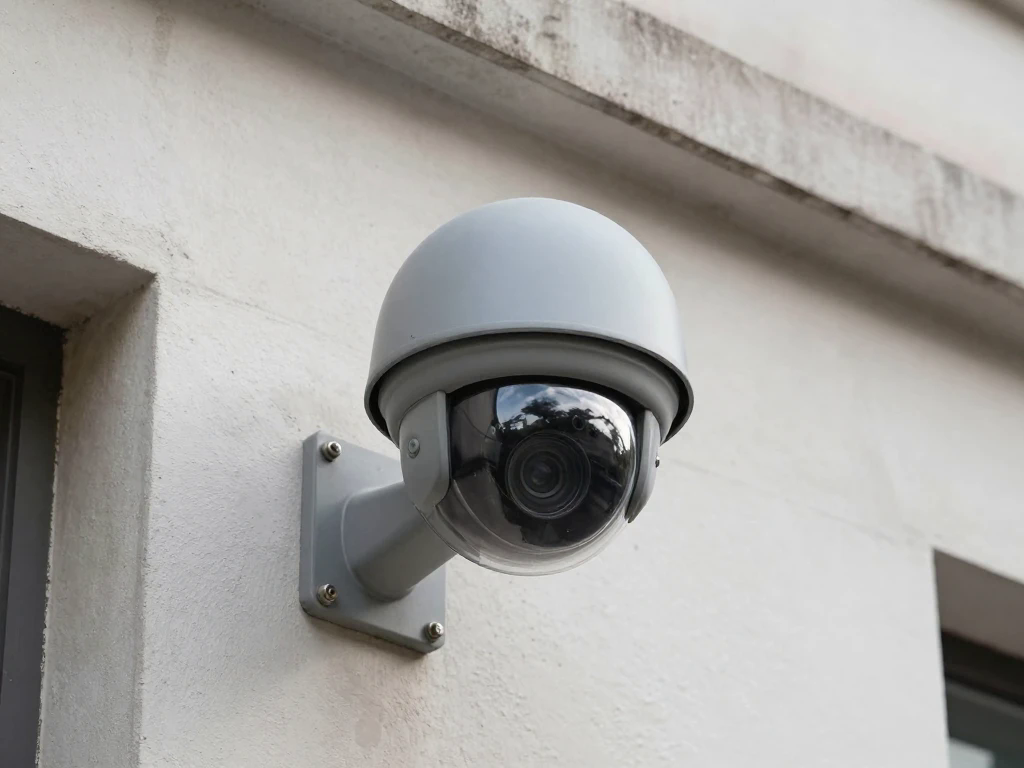
Modern homes are becoming more connected as technology makes everyday tasks easier to manage. From controlling lights through a smartphone to adjusting indoor temperatures remotely, smart devices are changing how residents interact with their living spaces. Home security is also benefiting from these developments, giving homeowners more convenient ways to monitor entrances, outdoor areas, and selected indoor locations. A connected surveillance system can combine cameras, mobile applications, motion alerts, and digital recording to support everyday security management.
A Smart Home CCTV Installation in Dubai allows residents to explore monitoring solutions that fit their property layouts, technology preferences, and household routines. Understanding how these systems work helps homeowners make informed decisions before choosing their equipment.
What Makes Smart Home CCTV Different?
Traditional CCTV systems mainly focus on capturing and recording video, while smart CCTV systems may offer additional features that improve accessibility and control. Depending on the model, users can view live footage through a mobile application, receive motion notifications, review recorded clips, and adjust selected camera settings remotely.
Some systems can integrate with other smart home devices, allowing compatible equipment to work together. For example, a smart doorbell camera may notify a resident when someone approaches the entrance, while a compatible smart display may provide a convenient way to view the camera feed.
These features do not automatically make every smart system more secure than traditional CCTV. Their usefulness depends on camera quality, network reliability, correct configuration, and the owner’s ability to manage the system securely.
Choosing the Right Cameras for Your Home
Selecting cameras starts with identifying the areas that require monitoring. A large villa, an apartment, and a townhouse may have different layouts and surveillance priorities. Choosing equipment according to the environment helps avoid unnecessary coverage and supports better image quality.
Indoor Cameras for Shared Living Areas
Indoor cameras can monitor selected areas such as entrances, hallways, or rooms where household activity needs to be observed. Compact models are often suitable for smaller spaces, while wide-angle cameras may cover larger areas.
Placement should account for furniture, doors, lighting, and other obstructions. Homeowners should also respect the privacy of family members, guests, domestic workers, and other occupants. Cameras should not be installed in private areas such as bathrooms or bedrooms used for personal privacy.
Outdoor Cameras for Entrances and Gardens
Outdoor cameras can help residents monitor front doors, driveways, garages, boundary gates, and garden access points. Depending on the model, they may include weather-resistant construction, infrared night vision, and motion detection.
Dubai’s climate makes it important to select equipment designed for the conditions in which it will operate. Heat, dust, direct sunlight, and outdoor exposure should all be considered when choosing mounting positions and protective features. Regular lens cleaning can also help maintain clear footage.
Smart Doorbell Cameras
A smart doorbell camera combines an entrance camera with features such as visitor notifications, two-way audio, and remote viewing. This allows residents to see who is at the door and communicate through a compatible phone or device when supported.
Before choosing a model, check its connection requirements, power supply, recording options, and compatibility with the existing smart home setup.
How Smart CCTV Connects With Mobile Devices
One of the main advantages of connected surveillance is the ability to check camera feeds without being physically present at home. Many systems provide a dedicated mobile application through which authorised users can view live footage, review recordings, and receive alerts.
For example, a homeowner travelling outside Dubai may use remote access to check the front entrance or review a notification about movement near the driveway. These functions can provide additional awareness, although they depend on internet connectivity, compatible equipment, and correct configuration.
Users should understand the difference between a motion notification and a confirmed security incident. Cameras may detect pets, passing vehicles, moving shadows, or ordinary household activity. Adjusting detection zones and notification sensitivity can help reduce unnecessary alerts.
Motion Detection, Night Vision, and Smart Alerts
Smart CCTV systems may include features that help users identify activity more efficiently. Motion detection can trigger notifications when movement occurs within a selected area, while some models offer person, vehicle, or other object detection.
Detection features vary between manufacturers and models, so homeowners should check exactly what a camera can recognise rather than assuming every system offers the same capabilities.
Night vision is another useful feature for entrances, driveways, and outdoor pathways. Infrared cameras can capture images in low-light conditions, while colour night vision may be available when sufficient illumination is present. Correct placement is important because glare, reflective surfaces, and excessive distance can affect the image.
Planning Your Smart CCTV Installation
Before installing cameras, create a list of the areas you want to monitor and the purpose of each camera. This provides a clearer basis for selecting equipment and determining where it should be positioned.
Consider the viewing angle, mounting height, available power, Wi-Fi coverage, and distance from the recording device. Cameras should cover important access points without creating unnecessary blind spots or recording areas outside the intended monitoring zone.
A professional assessment can also help identify whether a wired, wireless, or hybrid arrangement is more suitable. Wired systems may offer stable connections for permanent installations, while wireless cameras can provide flexibility where cable routing is difficult. However, wireless models still need a reliable network and may require a separate power source.
For homeowners exploring customised security options JAFSD security solutions can be considered when evaluating smart CCTV requirements for a property. Discussing the home’s layout, preferred features, and monitoring priorities helps clarify which equipment and installation approach may be appropriate.
Recording Options and Storage Capacity
Smart CCTV systems may store footage locally, through a recorder, on a memory card, or through a supported cloud service. Each option has different requirements and limitations.
Local storage can allow recordings to remain within the property, depending on the configuration. Network video recorders may be useful when multiple cameras need to be managed together. Cloud storage can provide remote access to saved footage, but it may involve subscription costs, internet requirements, and service-specific retention limits.
Storage capacity depends on camera resolution, recording frequency, the number of cameras, and how long footage needs to be retained. Homeowners should decide whether continuous recording or motion-triggered recording better suits their needs before selecting a system.
Protecting Privacy and Smart Home Network Security
Because smart CCTV systems connect to home networks and mobile devices, digital security deserves as much attention as camera placement. An unsecured account or outdated device may expose footage to people who should not have access.
Use strong, unique passwords and enable multi-factor authentication when available. Keep camera firmware and mobile applications updated, secure the home router, and remove access for users who no longer need it. Avoid sharing login credentials among multiple people when individual accounts and permissions are available.
Privacy settings should also be reviewed carefully. Restrict cameras to necessary areas, use privacy modes where supported, and consider when recording should be disabled. Homeowners should follow applicable requirements concerning surveillance, privacy, and the handling of recorded footage.
Maintaining Your Smart Home CCTV System
Routine checks help ensure that a connected camera system continues to perform as expected. Clean outdoor lenses when dust affects visibility, inspect camera mounts, and confirm that important cameras remain connected to the network.
It is also helpful to test mobile notifications, check whether recordings are being saved, review available storage, and verify that the system’s date and time are correct. Software updates should be installed through the appropriate channels, and unusual disconnections or missing recordings should be investigated promptly.
A simple maintenance schedule can help homeowners identify problems before they create gaps in surveillance coverage.
Frequently Asked Questions
Can I view smart CCTV cameras while travelling?
Yes, many systems support remote viewing through a mobile application. Access depends on compatible equipment, internet connectivity, and secure account configuration.
Does smart CCTV require Wi-Fi?
Many smart cameras use Wi-Fi for remote access and notifications, but some systems use wired network connections. Requirements depend on the selected equipment.
Can smart CCTV work at night?
Yes, cameras with suitable infrared or low-light features can monitor areas after dark. Performance depends on camera specifications, lighting, distance, and positioning.
How many cameras should a smart home have?
The number depends on the property’s layout, entrances, outdoor spaces, and desired monitoring coverage. A planned layout helps determine which locations need cameras.
Conclusion
Connected surveillance can make home monitoring more convenient by combining camera feeds, remote access, recording, and smart alerts in one system. However, useful results depend on selecting suitable equipment, planning camera positions, securing network access, and maintaining the devices over time. With careful preparation, Smart Home CCTV Installation in Dubai can support a practical security setup tailored to a home’s layout and everyday needs. Understanding the available features before installation helps residents choose a system that balances convenience, reliable monitoring, and responsible privacy management.