
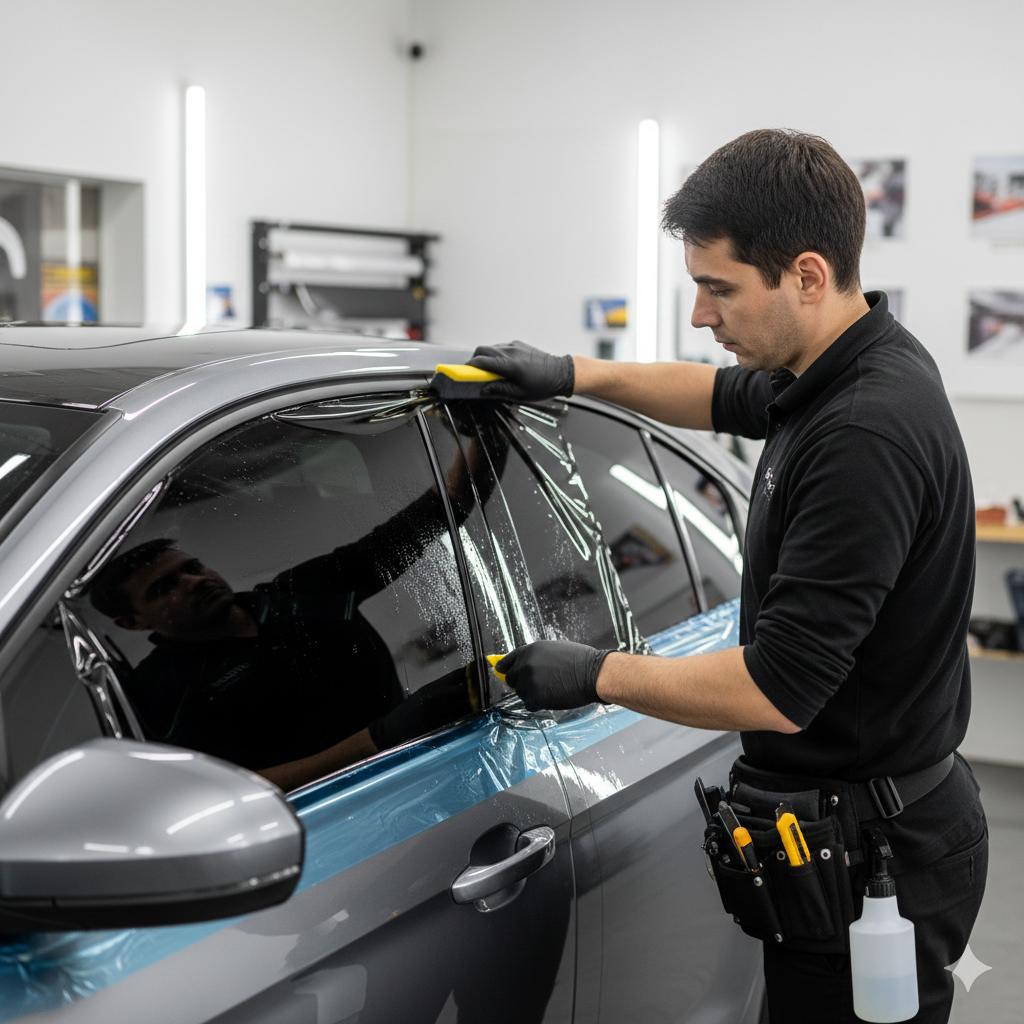
Car windows do more than provide a view of the road. They also let sunlight and heat enter the cabin, which can make driving uncomfortable on bright days. Automotive window tinting adds a thin film to the glass to change how sunlight passes through it. Depending on the film selected, it can help reduce glare, limit solar heat, and block much of the sun’s ultraviolet radiation.
Window Tinting West London Ontario, may consider tinting for everyday commuting, family travel, or long road trips. A suitable film can make the cabin more comfortable and give the vehicle a consistent appearance. However, the results depend on the film’s quality, the glass, the installation, and the vehicle’s design.
Before choosing a tint, it is important to understand the available options and local regulations. Darker film is not always the best choice, and some windows have legal visibility requirements. Comparing film features and discussing your needs with an installer can help you make a practical decision.
What Is Window Tinting West London Ontario and How Does It Work?
Automotive window tinting involves applying a thin film to the inside surface of selected vehicle windows. The film may be dyed, metalized, ceramic-based, or made using other materials designed for automotive glass. Each type has different features, performance levels, and prices.
Tint can change the amount of visible light entering the cabin. Some films also reduce infrared energy, which contributes to solar heat, while many quality automotive films block a high percentage of UV radiation. These features are not identical across all products, so it is useful to review the manufacturer’s specifications rather than judging a film by its shade alone.
A professional installation usually involves cleaning the glass thoroughly, preparing the film, shaping it to fit the window, and applying it with care to limit bubbles and visible defects. Curved windows and tight corners require skill because the film must fit the glass correctly.
The film needs time to settle after installation. Small amounts of haze or moisture may appear temporarily while it cures, depending on the product and weather conditions. Your installer should explain how long to wait before opening the windows or cleaning the glass.
Main Benefits of Automotive Window Tint
Reduced Sun Glare
Bright sunlight can make driving uncomfortable, especially when the sun is low on the horizon. Suitable tint may reduce the amount of visible light entering through side and rear windows. This can make the cabin more comfortable, although drivers should still use their sun visors and sunglasses when needed.
Improved Cabin Comfort
Sunlight can heat the interior, particularly when a vehicle sits in direct sunlight. Certain films help reduce solar heat entering through the glass. The difference depends on the film’s heat-rejection performance, the size of the windows, the vehicle’s color, and the outdoor temperature.
Tint does not replace air conditioning, and it cannot prevent all heat from entering the vehicle. However, the right product may improve comfort during sunny weather.
UV Protection
Ultraviolet radiation can affect skin and contribute to fading of some interior materials. Many automotive window films are designed to block a high percentage of UV rays. Check the product specifications to confirm the protection level rather than assuming every film performs the same way.
Interior Appearance
Window tint can give a vehicle a more uniform appearance. Some drivers prefer a subtle shade, while others want a darker look on windows where it is legally permitted. The best option should balance appearance, visibility, and safety.
Added Privacy
Tinted windows may make it harder for people outside to see into the cabin. The amount of privacy depends on the film shade, outdoor lighting, and the viewing angle. Tint should not be treated as a guarantee that valuables are hidden, so avoid leaving bags, electronics, or other valuable items in plain sight.
Types of Window Film to Consider
Dyed Film
Dyed film uses color to reduce visible light. It can be a budget-friendly choice for drivers who mainly want a particular appearance and some glare reduction. Its heat-rejection performance may be lower than that of some advanced films.
Carbon Film
Carbon-based films are designed to provide a consistent appearance and may offer useful heat-rejection performance without relying on a metallic layer. Actual performance varies by product, so compare the specifications before deciding.
Ceramic Film
Ceramic film uses advanced non-metallic materials and can offer strong heat and UV rejection while maintaining good visibility at lighter shades. It is often more expensive than basic options. Drivers should compare the product’s measured performance and warranty instead of relying only on the ceramic label.
Metalized Film
Metalized film uses tiny metallic particles to reflect some solar energy. Depending on the product and vehicle, the metal layer may interfere with radio signals or other electronic functions. Ask the installer whether a particular film is suitable for your vehicle.
Understanding Ontario Tint Rules
Window tint regulations are an important part of choosing a film. Ontario has rules concerning visibility and the use of tinted glass on vehicles. Requirements can differ depending on which window is being tinted, the vehicle type, and the applicable legal standards.
Before installation, check the current Ontario rules through an official provincial source or ask a qualified installer to explain the requirements for your specific vehicle. Do not rely on a general statement that a particular tint percentage is legal everywhere. The original glass may already have some tint, and adding film can change the final light transmission.
Front windshield and front side windows deserve particular attention because clear visibility is essential for safe driving. Avoid choosing a very dark film simply for appearance without checking the legal requirements. Also consider night driving, rain, and poorly lit roads, when visibility can already be limited.
A professional installer should be willing to discuss compliance and recommend suitable options. If you are uncertain, verify the legal requirements independently before paying for the installation.
What to Expect During Professional Installation
The installer should first discuss your preferred shade, performance needs, budget, and the windows you want covered. The glass is then cleaned carefully to remove dust and residue that could become trapped beneath the film.
The film is measured and shaped to fit the glass. It is applied with suitable tools to reduce air pockets, creases, and contamination. The installation time depends on the vehicle, the number of windows, and the complexity of the glass.
Before leaving, ask about the curing period, cleaning instructions, warranty coverage, and what to do if you notice a defect. A reputable installer should explain the limits of the product and the conditions that may affect the warranty.
How to Care for Tinted Windows
Allow the film to cure for the period recommended by the installer. Avoid rolling down the treated windows until you are told it is safe. Opening them too early may shift the film before it has properly bonded.
When cleaning the glass, use a soft microfiber cloth and a cleaner confirmed as safe for tinted windows. Avoid abrasive pads, sharp tools, and products that may damage the film. Be gentle around the edges, where the film may be more vulnerable.
If you notice persistent bubbles, peeling edges, or discoloration, contact the installer and ask whether the issue is covered by the warranty. Do not try to cut or lift the film yourself, as this can make the problem worse.
Conclusion
Automotive window tint can improve comfort, reduce glare, and help protect parts of your vehicle’s interior from UV exposure. The best result comes from selecting a suitable film, checking the current rules, and using an experienced installer who explains the product and aftercare requirements. Before booking, compare specifications and warranty details instead of choosing only by price or darkness. For drivers exploring tinting options in the area, Touch Spot Car Detailing is a service provider to consider when planning vehicle care.
Frequently Asked Questions
1. Does window tint keep a car completely cool?
No. Suitable film can reduce some solar heat, but it cannot stop all heat from entering the vehicle. Results depend on the product, glass, weather, and parking conditions.
2. Does darker tint always block more heat?
No. Darkness mainly relates to visible light transmission. Some lighter films can reject substantial heat, so compare technical specifications rather than choosing by shade alone.
3. How long does window tint installation take?
It depends on the vehicle and the number of windows being treated. Ask the installer for an estimated completion time when booking.
4. Can I clean my windows immediately after tinting?
Follow the installer’s instructions and wait until the film has cured before cleaning it. Use gentle products that are safe for tinted glass.
5. How do I choose a suitable window tint?
Consider heat rejection, UV protection, visibility, budget, warranty, and Ontario’s applicable regulations. A professional installer can explain the differences between available films.