
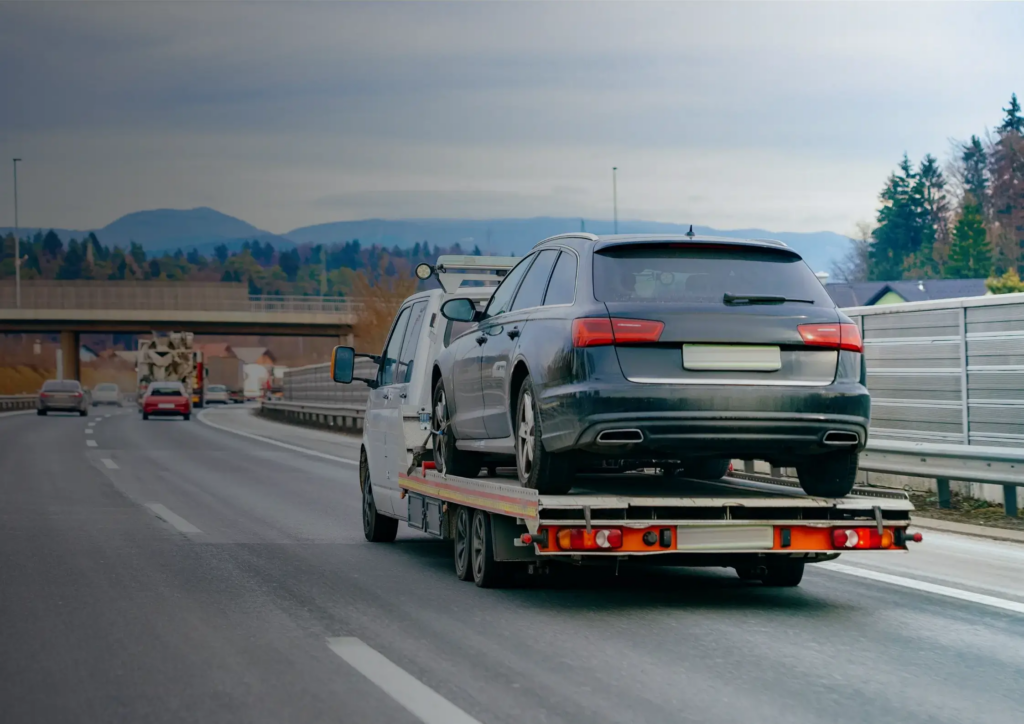
The safest way to ship exotic cars starts with choosing a suitable transport method and a qualified carrier. Exotic vehicles often have special features, expensive finishes, low ground clearance, and powerful engines that require careful handling. Driving these cars over long distances can add mileage and expose them to road hazards, traffic, and unpredictable weather. Professional vehicle transportation provides another option for owners who need to move a supercar, luxury sports car, or rare collectible vehicle. Before booking a shipment, it is important to understand the available transport methods, insurance requirements, loading procedures, and delivery arrangements. Careful planning can reduce avoidable risks and help protect your vehicle throughout the journey.
How to Find the Safest Way to Ship Exotic Cars
Selecting the right carrier is one of the most important steps when transporting an exotic vehicle. Not every transport company has the same equipment or experience with high-value cars. Look for a provider that can explain its procedures for handling low-clearance vehicles, expensive wheels, custom paint, and specialized bodywork.
Ask whether the company uses its own trucks or arranges shipments through other motor carriers. If a broker handles your booking, request the details of the carrier assigned to your vehicle when available. Verify the motor carrier’s registration and operating authority through the Federal Motor Carrier Safety Administration.
You should also ask about the carrier’s loading equipment. Hydraulic lift gates, suitable ramps, and appropriate clearance angles can help reduce the risk of scraping a vehicle’s front bumper or underbody. Confirm that the equipment is suitable for your particular make and model.
Communication matters, too. A dependable provider should explain the pickup process, expected delivery window, payment terms, and available updates. Ask how the company handles delays or unexpected problems during transit. Clear answers can help you make a more informed decision before handing over your keys.
Why Enclosed Transport Is Often Preferred
Enclosed transport is a popular choice for exotic vehicles because it places the car inside a covered trailer. This helps protect the vehicle from direct exposure to rain, dust, road debris, and other outdoor conditions. It also offers greater privacy during transportation.
Unlike open trailers, enclosed carriers surround the vehicle with a protective structure. This can be especially useful when moving a rare supercar, a limited-edition model, or a vehicle with a custom exterior finish. Some enclosed transport services also offer specialized equipment for loading and securing valuable cars.
However, enclosed shipping does not guarantee that damage can never happen. Loading mistakes, poor securing methods, road incidents, and other unexpected events remain possible. Therefore, you should review the carrier’s safety procedures and insurance details rather than relying on the trailer type alone.
Enclosed transport generally costs more than open transport. The final price depends on the distance, vehicle dimensions, route, season, and availability of suitable carriers. For many exotic car owners, the added protection can justify the higher expense.
Check Insurance Before Booking
Insurance is an important part of planning exotic vehicle transportation. Before accepting a quote, ask for written information about the carrier’s cargo insurance. Confirm the coverage limit and whether it is suitable for the value of your vehicle.
Do not assume that every policy covers the full market value of an exotic car. Some policies may contain exclusions, deductibles, or limits for particular types of damage. Custom modifications, aftermarket parts, and personal belongings may receive different treatment under the policy.
Ask how the claims process works if your vehicle arrives with damage. Find out which documents are required, who should be contacted, and how quickly a problem must be reported. Request copies of relevant insurance information and keep them with your shipping agreement.
You may also contact your own insurance provider to ask whether your existing policy offers protection during professional vehicle transportation. Additional coverage may be worth considering if the carrier’s policy does not meet your needs.
Prepare Your Exotic Car Before Pickup
Proper preparation helps create a clear record of your vehicle’s condition. Start by washing the exterior so that scratches, dents, chips, and other existing marks are easy to see. Take dated photographs of the front, rear, sides, roof, wheels, and visible interior features.
If the car has a low front splitter, modified suspension, wide wheels, or other special features, tell the transport provider before pickup. These details can affect the loading method and the equipment required. Also disclose any mechanical issues that could affect moving or securing the vehicle.
Remove personal belongings and loose accessories from the cabin and trunk. Ask the carrier about its rules for fuel levels, keys, alarms, and vehicle preparation. Make sure the battery and tires are in suitable condition if the car needs to be driven onto the trailer.
Before signing the inspection report, read it carefully. Confirm that existing damage is recorded correctly and keep a copy of the paperwork. These records can be useful if you need to compare the vehicle’s condition at delivery.
Understand the Shipping Quote and Delivery Schedule
Exotic car transport prices vary according to several factors. Distance is important, but the route, vehicle size, carrier availability, and pickup location can also affect the quote. Remote destinations may require additional travel, while popular routes may offer more options.
The vehicle’s specifications can influence the price as well. A wide sports car or a model with very low ground clearance may need specialized loading arrangements. Enclosed carriers with limited trailer space may also have different rates from standard open transport providers.
When comparing quotes, check whether the price includes the services you need. Ask about pickup windows, delivery estimates, insurance arrangements, payment requirements, and possible additional fees. A low initial price is not always the best choice if important terms remain unclear.
Avoid making firm plans around an unconfirmed delivery time. Traffic, weather, road closures, and mechanical issues can affect transportation schedules. Request updates from the provider and allow reasonable flexibility when arranging vehicle collection.
Inspect Your Vehicle at Delivery
When the vehicle arrives, inspect it before completing the delivery paperwork. Compare its condition with your original photographs and the pickup inspection report. Check the body panels, bumpers, wheels, windshield, and other visible areas.
If you notice new damage, document it with clear photographs and make sure it is recorded on the delivery condition report before signing. Notify the carrier and follow the written claims procedure. Keep copies of the inspection reports, shipping agreement, photographs, and relevant messages.
Even when everything looks correct, retain your documents until the shipment is fully completed. An organized record can help resolve questions about the transportation service later.
Final Thoughts on Protecting Your Exotic Vehicle
Transporting an exotic car requires careful planning, clear communication, and attention to detail. Choose a suitable carrier, review insurance coverage, document the vehicle’s condition, and confirm that the loading equipment meets your car’s requirements. These steps can help reduce avoidable problems and make the shipping process easier to manage. For owners who need assistance exploring vehicle transportation options, Book Auto Transport can be a starting point for planning a shipment based on their vehicle and delivery needs.
Frequently Asked Questions
1. Is enclosed transport best for exotic cars?
Enclosed transport is often preferred because it protects vehicles from direct exposure to weather and road debris. The best option depends on the car’s value, condition, and protection needs.
2. How long does exotic car shipping take?
Delivery time depends on the distance, route, traffic, weather, and carrier schedule. Ask for an estimated delivery window before confirming your booking.
3. Is exotic car transport insured?
Carriers may provide cargo insurance, but policy limits and exclusions vary. Request written details and confirm that the coverage is suitable for your vehicle’s value.
4. Can a car with low ground clearance be transported?
Yes. Many specialized carriers can transport low-clearance vehicles. Tell the provider your car’s specifications and confirm that suitable loading equipment is available.
5. Should I photograph my car before shipping?
Yes. Take clear photographs of the vehicle’s exterior and existing damage before pickup. Keep these records until the delivery process is complete.