
Introduction
Home renovations can transform a property and improve everyday living for many families, but they can also produce a surprising amount of waste. Old fittings, broken tiles, timber, plasterboard, packaging and rubbish can quickly make a work area difficult to manage. Planning waste disposal before renovation work begins helps keep the site safer, cleaner and more organised throughout the work. A little preparation can prevent rubbish from accumulating and disrupting the schedule.
Plan Waste Before Work Begins
Before starting the renovation, consider what types of waste the project is likely to create. A kitchen refurbishment may produce cabinets, appliances, worktops and packaging, while a bathroom renovation can generate ceramics, tiles, pipes and timber. Creating a waste plan allows you to estimate how much material needs to be removed. Separating waste categories from the beginning also makes recycling easier. Using Skip Hire Stockport can make it easier to collect and dispose of renovation waste safely and efficiently.
Separate Reusable Materials
Not everything removed during a renovation needs to become waste. Doors, furniture, sanitaryware, kitchen units, timber and certain building materials may be suitable for reuse. Items in good condition can sometimes be donated, sold or kept for another project. Reusing materials reduces the amount sent to landfill. Before throwing anything away, inspect it carefully and consider whether another person or organisation could make use of it.
Use Appropriate Waste Containers
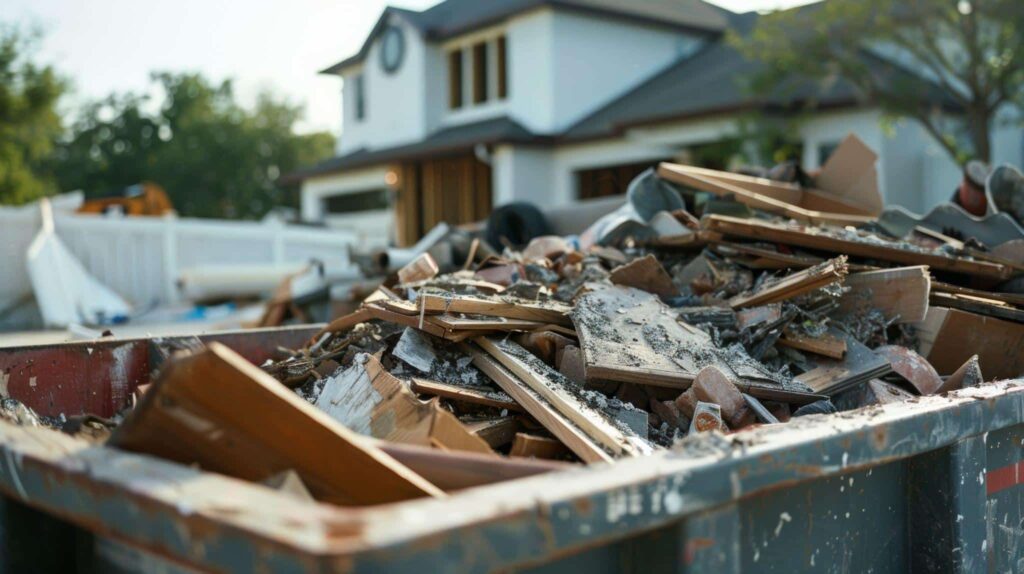
Choosing the right container is important when a renovation generates substantial rubbish. A skip can provide a convenient place for materials such as timber, rubble and other permitted construction waste. The container should be positioned safely. Check local requirements before placing a skip on public land, as a permit may be necessary.
Keep Hazardous Waste Separate
Some renovation materials require more careful handling than ordinary household rubbish. Paint, solvents and batteries should not simply be placed in a general waste container. Keep these materials separate and follow local guidance for safe disposal. Older properties may contain asbestos, which is hazardous if disturbed. If you suspect asbestos is present, stop work and seek advice from a qualified professional.
Recycle Suitable Construction Materials
Many renovation materials can be recycled when separated correctly. Metals, cardboard, some plastics, timber, glass and certain types of rubble may have recycling routes. Keeping recyclable materials clean and separate from mixed waste can improve the chances of recovery. Packaging should also be flattened where practical to save space. Contact your local council or waste contractor in advance to understand which materials they accept.
Store Waste Safely During Renovation
Waste should be stored in a controlled area rather than scattered around the property. Keep sharp objects, broken glass, nails and heavy materials away from walkways and entrances. Lightweight rubbish should be secured so wind cannot spread it around the garden or neighbouring properties. Regularly clearing waste reduces trip hazards, keeps work areas accessible and gives tradespeople more room to work safely.
Avoid Overloading Containers
Waste containers have limits on the amount and type of material they can safely hold. Avoid filling a skip above its permitted level or adding materials that the supplier does not accept. Heavy waste, such as soil and rubble, may have specific restrictions because of weight limits. Following loading instructions helps prevent collection problems and keeps transport safer. If there is more waste than expected, arrange an additional collection rather than allowing rubbish to build up around the property.
Work With a Responsible Waste Contractor
A reputable waste contractor can make renovation clean-up much easier and help you understand the most suitable disposal options for the materials produced. Before hiring one, check what waste types are accepted, how the material will be handled and whether recycling is included. Ask about collection arrangements and container sizes. Choosing a responsible provider gives you greater confidence that waste will be transported and processed appropriately or sent unnecessarily to landfill.
Conclusion
Managing waste effectively is an important part of any home renovation. Planning ahead, separating reusable and recyclable materials, storing rubbish safely and using suitable waste containers can keep the project organised and reduce environmental impact. Hazardous materials require additional care. By treating waste management as part of the renovation plan rather than an afterthought, homeowners can create a safer working environment and complete their improvements with less mess, expense and disruption.