
Global financial markets were shaken once again as cryptocurrencies and equities slid in tandem following renewed geopolitical tensions in the Middle East. After Donald Trump signaled a tougher stance on Iran—hinting at intensified military strikes—investors rapidly pulled away from risk assets, sending Bitcoin and global stocks into decline.
This sharp shift in sentiment highlights a recurring reality in modern markets: geopolitics and macroeconomics are deeply intertwined.
When uncertainty rises, even decentralized assets like Bitcoin are not immune.
Bitcoin Drops as Risk Appetite Fades


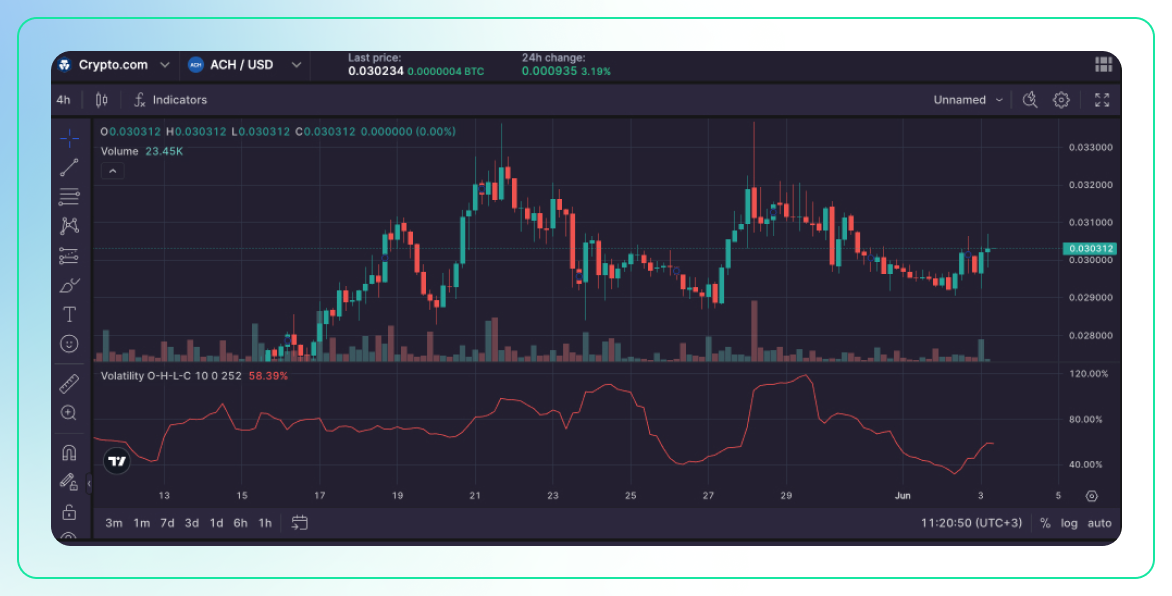
Bitcoin, the world’s largest cryptocurrency, fell sharply following Trump’s comments about escalating military operations in Iran. The digital asset dropped nearly 3%, uk breaking news24x7 trading around $66,000, wiping out earlier weekly gains.
The selloff wasn’t isolated to Bitcoin alone. Major altcoins—including Ethereum and Solana—also recorded steeper losses, reflecting a broad-based retreat from speculative assets.
Why Did Bitcoin Fall?
Despite its reputation as “digital gold,” Bitcoin often behaves like a risk asset during times of global stress.
Several factors contributed to the decline:
- Geopolitical uncertainty: Trump’s warning of stronger strikes reduced hopes of a quick resolution.
- Risk-off sentiment: Investors moved capital away from volatile assets.
- Dollar strength: Safe-haven demand boosted the U.S. dollar, pressuring crypto markets.
- Macro correlation: Bitcoin increasingly tracks tech stocks and broader financial markets.
In short, when fear dominates, liquidity flows out of crypto first.
Stock Markets Slide Alongside Crypto

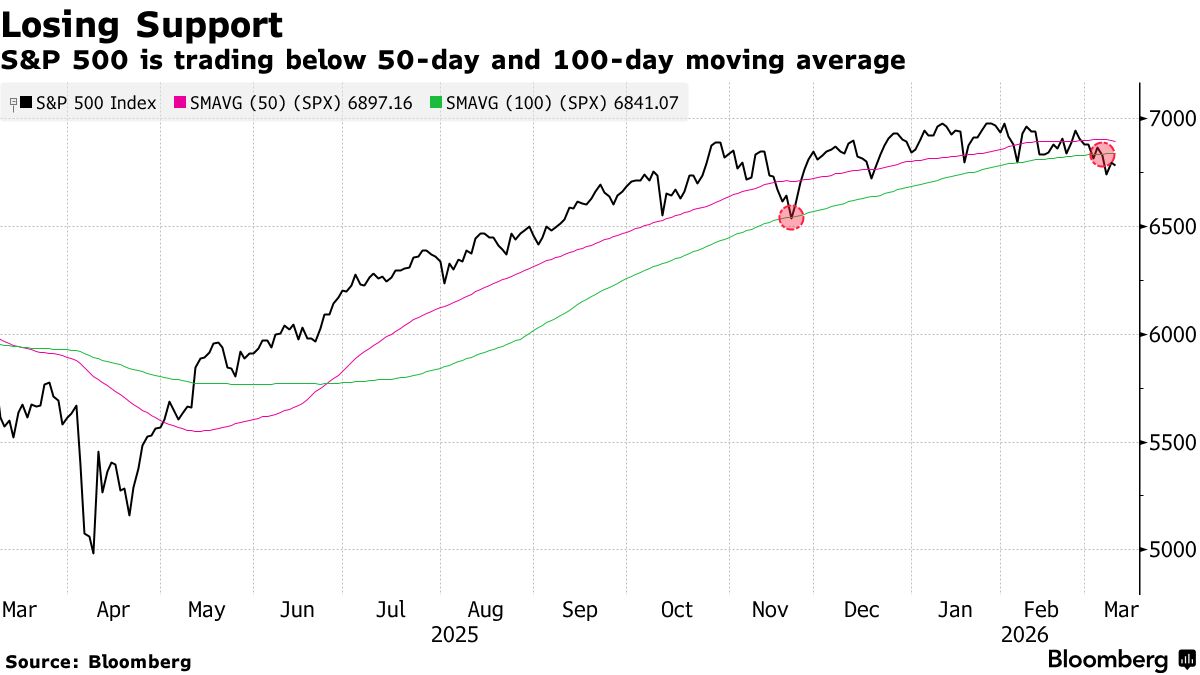
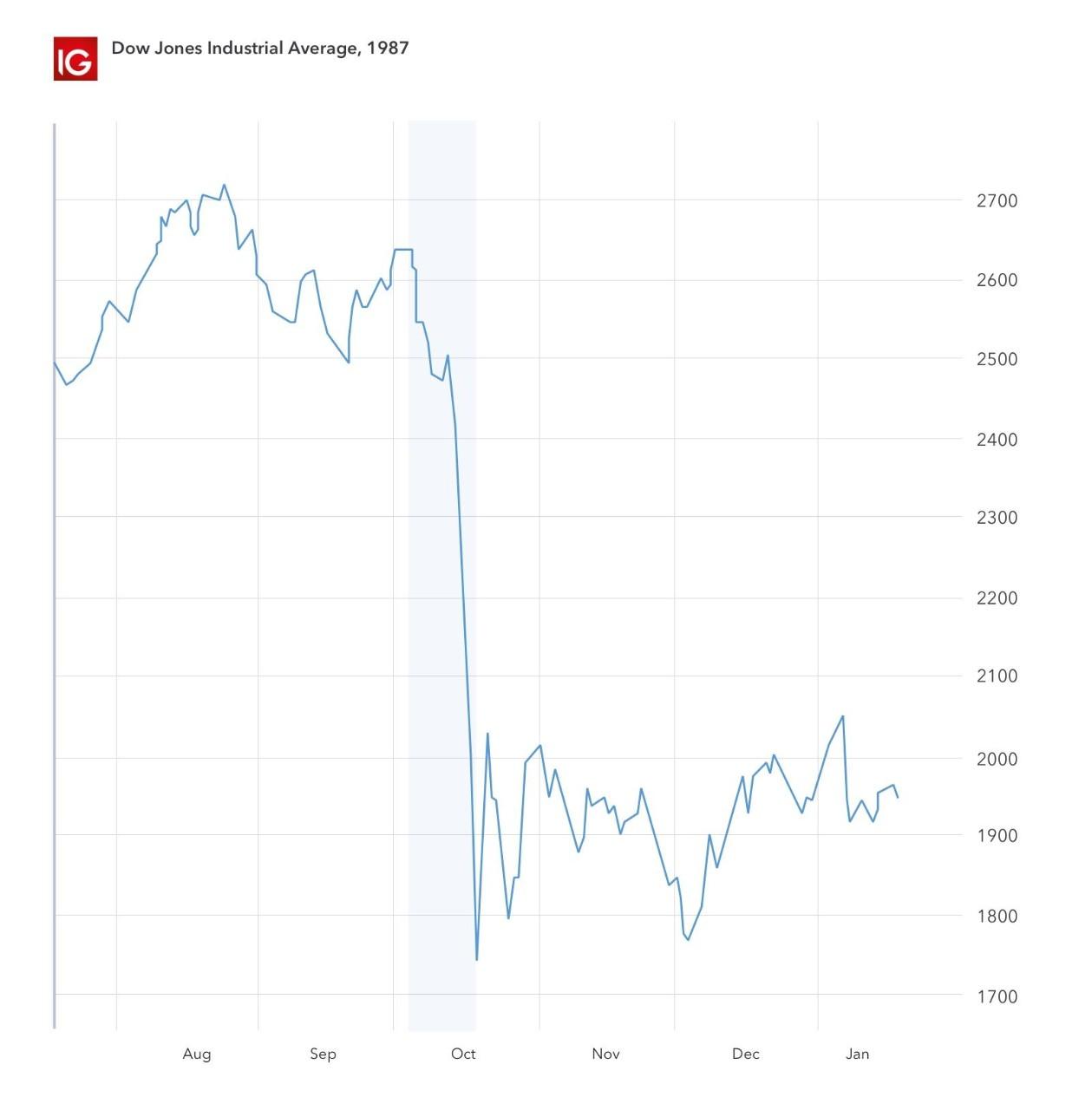
Global equities mirrored the crypto downturn.
U.S. stock futures dropped significantly following Trump’s address, with:
- Dow futures falling over 400 points
- S&P 500 futures down more than 1%
- Nasdaq futures slipping around 1.3%
Markets reacted negatively to the lack of clarity and the renewed threat of escalation.
Key Drivers Behind Stock Declines
- Escalation fears: Investors had priced in de-escalation—Trump’s tone reversed that.
- Oil price shock: Rising oil prices threaten inflation and corporate margins.
- Economic uncertainty: War risks can slow global growth and disrupt trade.
Across Asia and Europe, stocks also fell as investors reassessed risk exposure.
Trump’s Iran Strategy and Market Impact


At the center of the market turbulence is Trump’s renewed military posture toward Iran.
During his address, he warned that the U.S.
would hit Iran “extremely hard” in the coming weeks, signaling a potential escalation rather than a diplomatic resolution.
Why Markets Reacted So Strongly
Financial markets crave certainty. Trump’s comments created the opposite:
- No clear timeline for peace
- Threats to energy infrastructure
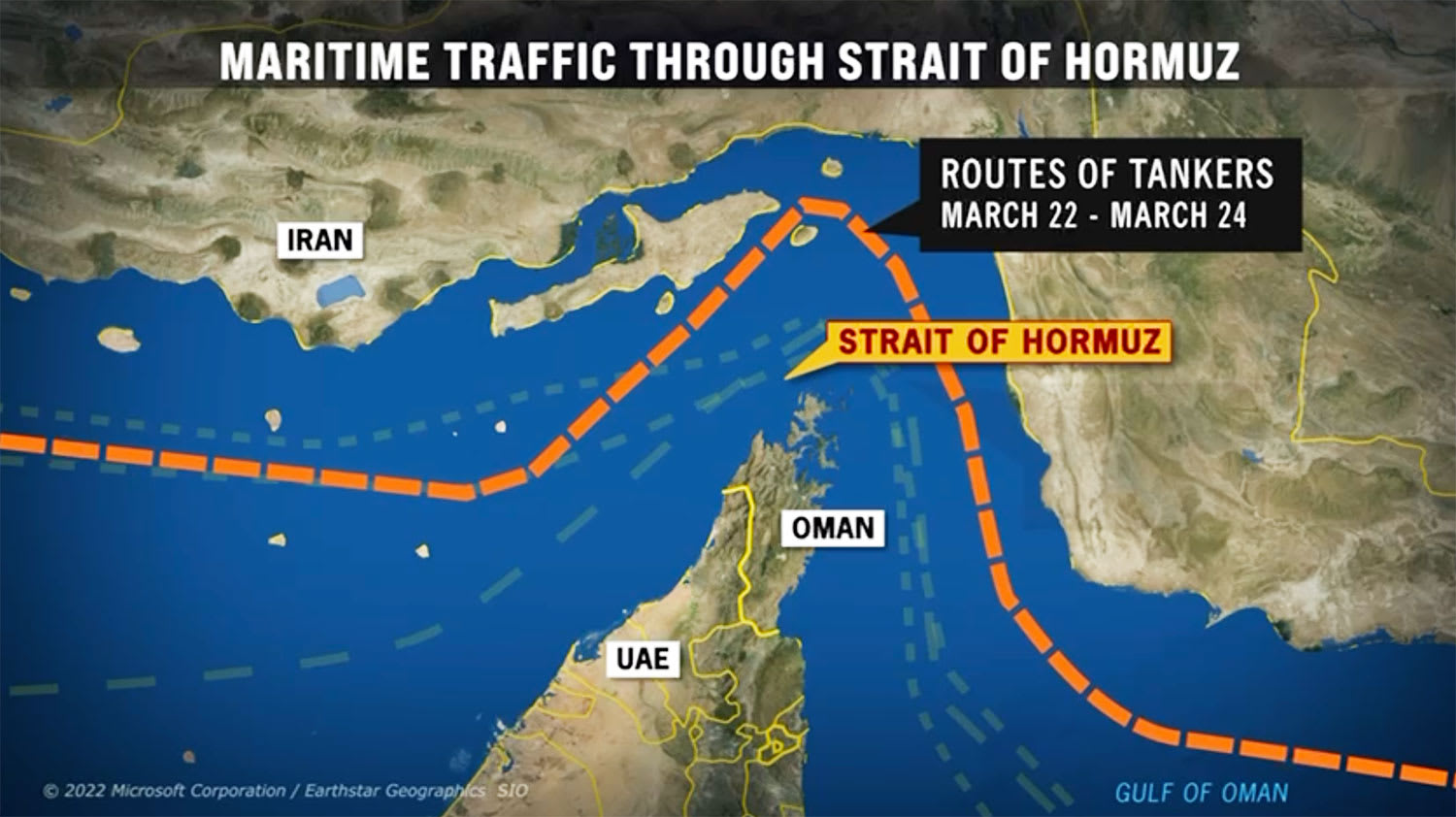
- Risk to the Strait of Hormuz, a critical global oil route
As a result, investors quickly repriced risk across all asset classes.
Contact Us